Favourites




Glass jars by use
Choosing a glass jar adapted to its intended use helps preserve food properly, organise the kitchen and secure homemade preparations. Preserves, bulk foods, fermentation, jams, honey or dry ingredients: each use requires the right format, closure system and level of airtightness. This guide helps you identify the right jar for your everyday needs.

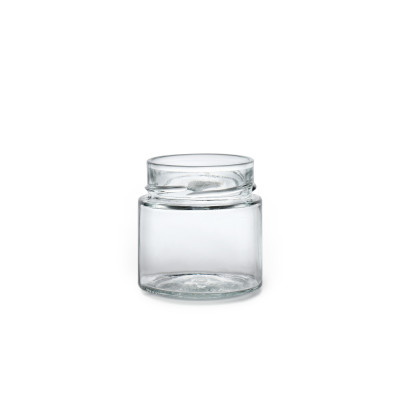
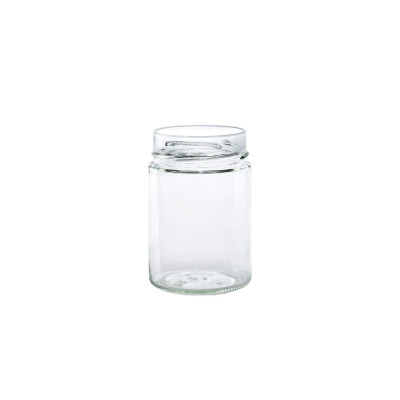
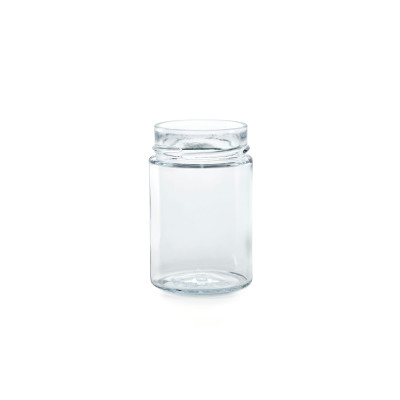
- Out-of-Stock
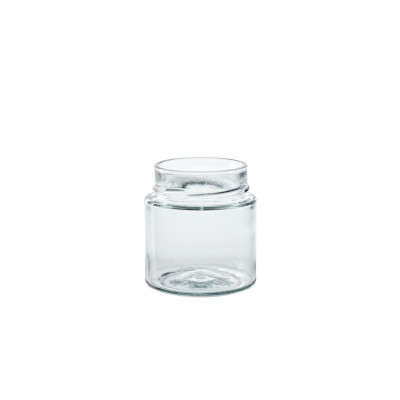
- Out-of-Stock
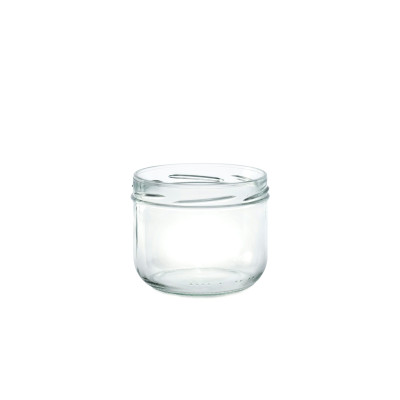
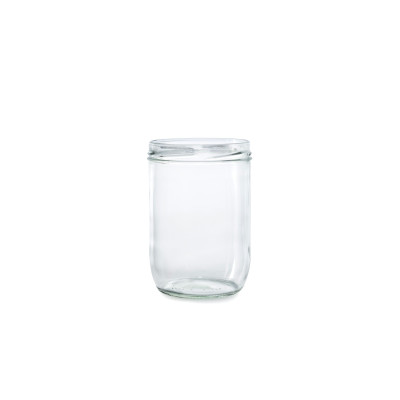
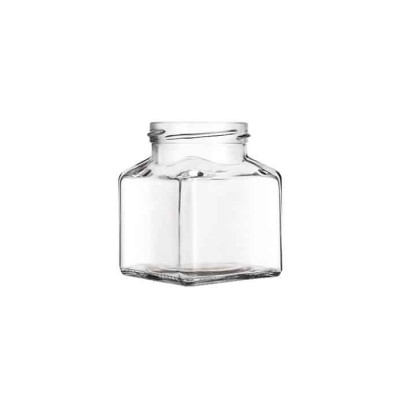
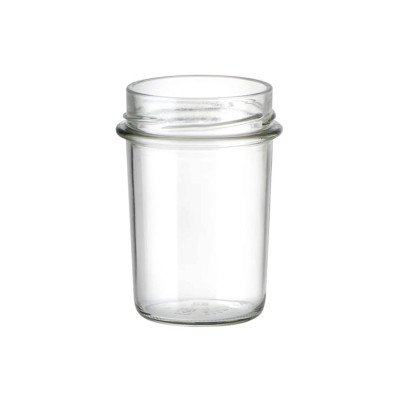
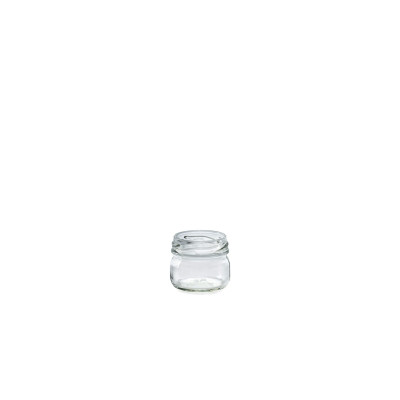
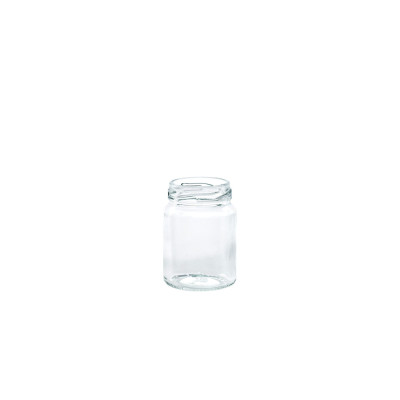
- Out-of-Stock
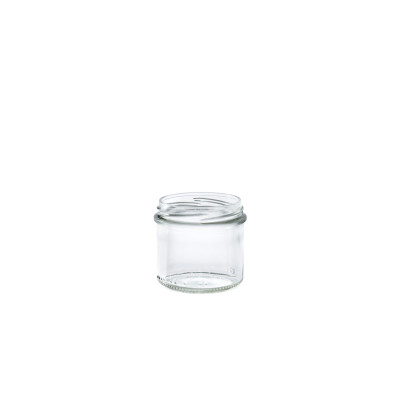
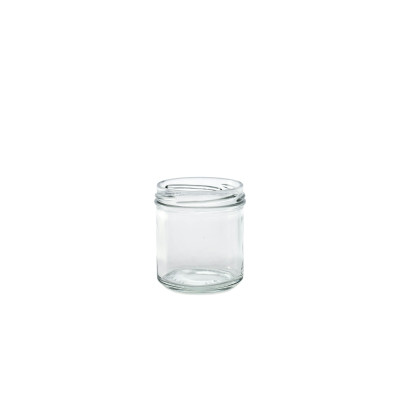
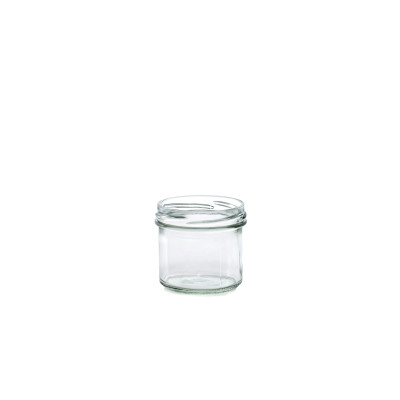
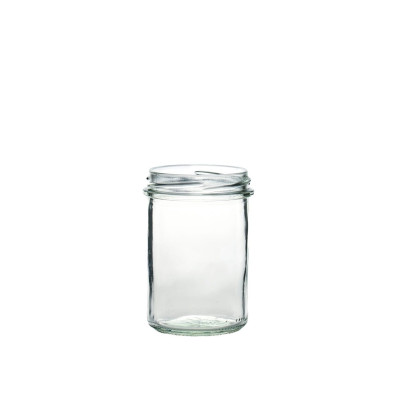
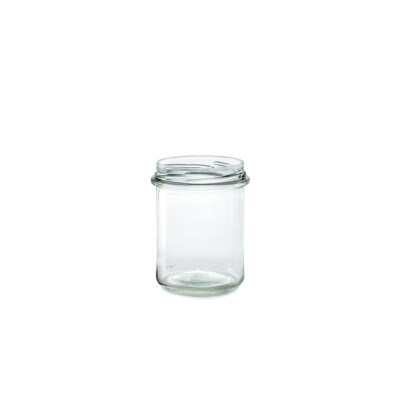
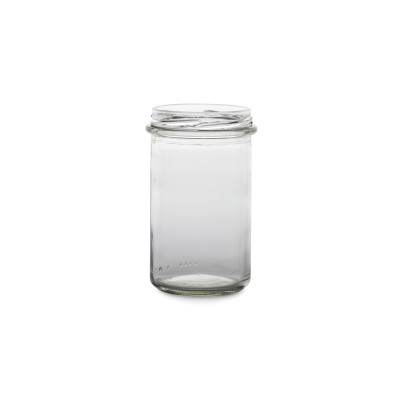
- Out-of-Stock
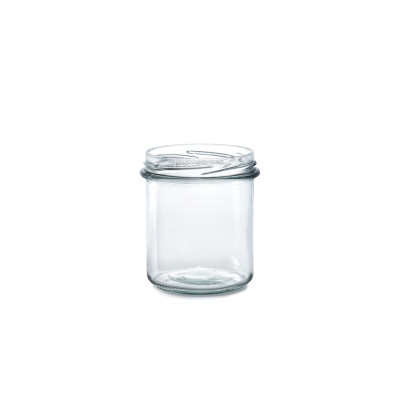
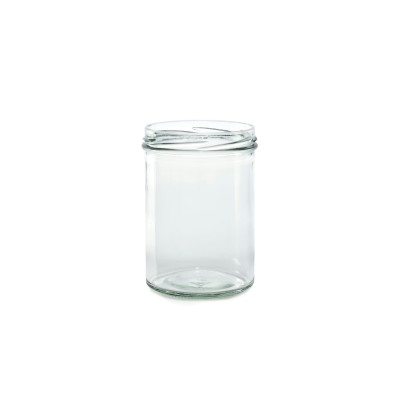
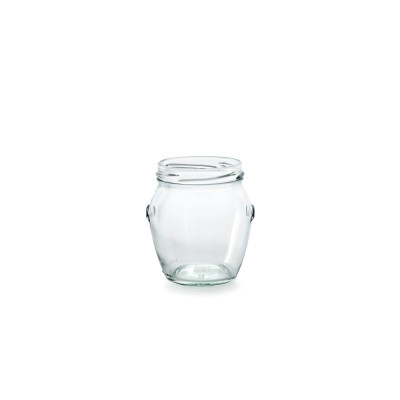
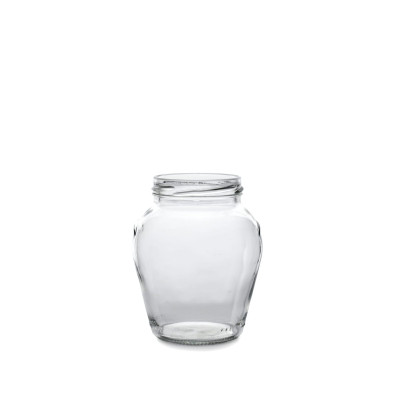
Glass Jars by Use: Which Jar Should You Choose According to Your Needs?
A glass jar is much more than a simple container. In recent years, it has become an essential accessory for a healthy and well-organised kitchen.
Whether you want to extend the shelf life of your harvests, reduce waste or enhance homemade preparations, glass remains the reference material. However, with so many models available, it can be difficult to know which one to choose.
The right jar depends above all on its final use. Food intended for sterilisation is not handled in the same way as an ingredient stored in bulk or a fermented preparation.
At Conservor, we offer a complete guide to help you identify the ideal container for each use, while ensuring food safety and enhancing the look of your kitchen.
Why choose a glass jar suited to its use?
Choosing a jar at random can be counterproductive, or even risky in some cases. Matching the container to its use meets three major requirements.
Glass jars remain highly versatile. A container is not limited to a single product category: a jar used for jam may also be suitable for preserving honey or pâté, provided food safety is guaranteed.
What determines the use is the combination of the container with the right closure, such as a pasteurisation-safe or sterilisation-safe twist-off cap, and the respect of the appropriate heat treatment process.
Ensuring proper preservation
Food preservation is a precise process. A food storage jar must meet specific physical requirements.
For sterilisation, the glass must be able to withstand high temperatures without breaking, thanks to resistance to thermal shock.
For fermentation, it must allow gases to escape while preventing oxygen from entering.
Choosing the wrong closure system can lead to bacterial development or premature oxidation of your products.
Making kitchen use easier
Ease of use is essential. A wide-mouth jar makes it much easier to fill with whole fruit or thick sauces, as well as to clean. A narrower jar is better suited to liquids or fine grains.
A good glass jar should be easy to handle every day, easy to stack and easy to open, whether you are a private user or a food service professional.
Optimising kitchen organisation
Glass jars make kitchen organisation easier. Using suitable containers helps simplify storage and manage supplies more efficiently. Glass jars also offer a neat visual appearance and allow you to see at a glance whether it is time to prepare new preserves.
Preserving jars
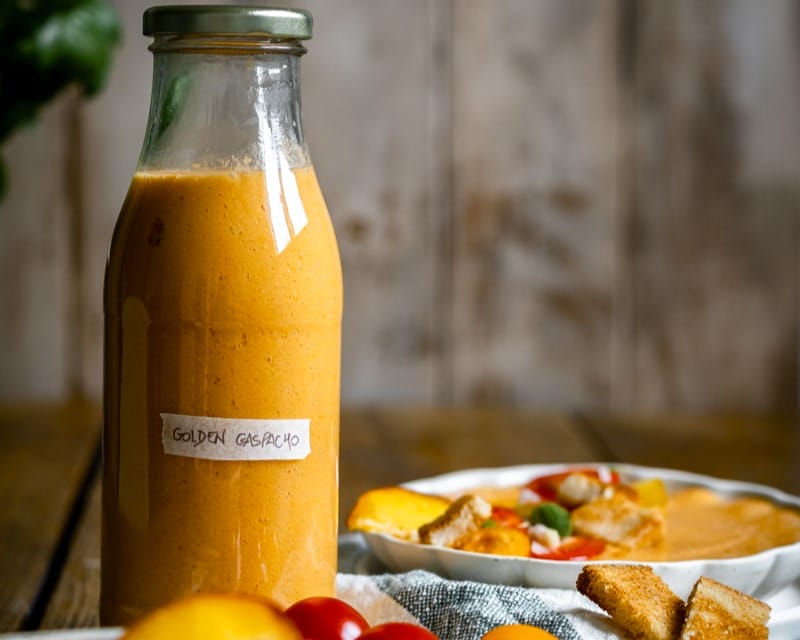
When we talk about preserving jars, we immediately think of long-term food preservation through heat treatment. This use requires robust jars capable of withstanding rising temperatures in a steriliser or autoclave in order to eliminate microorganisms.
This type of jar is perfect for preserving garden vegetables, homemade sauces and cooked dishes such as terrines, pâtés or ratatouille.
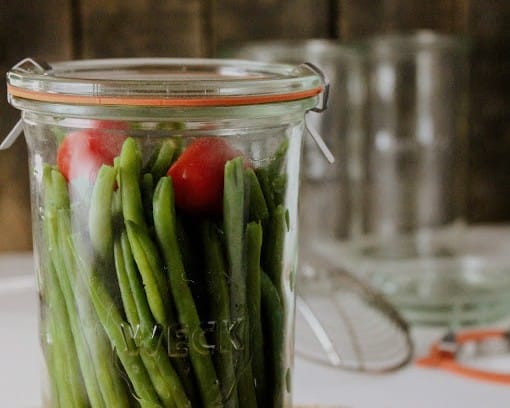
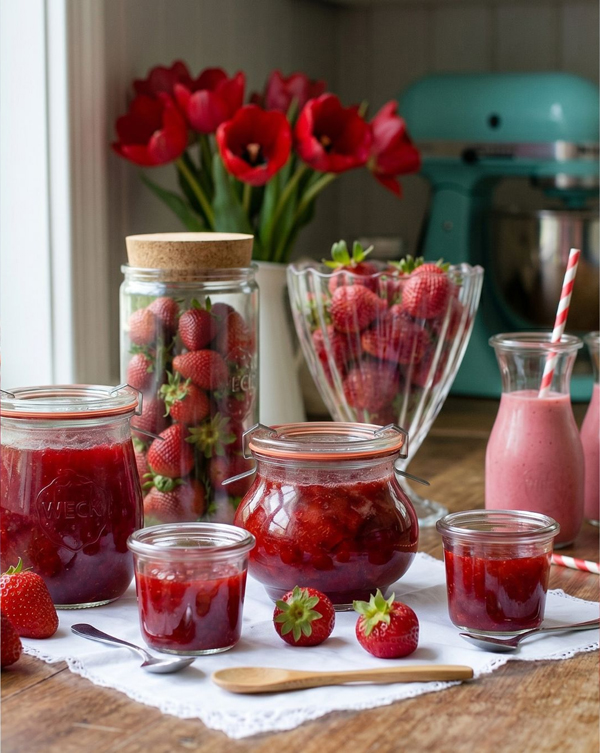
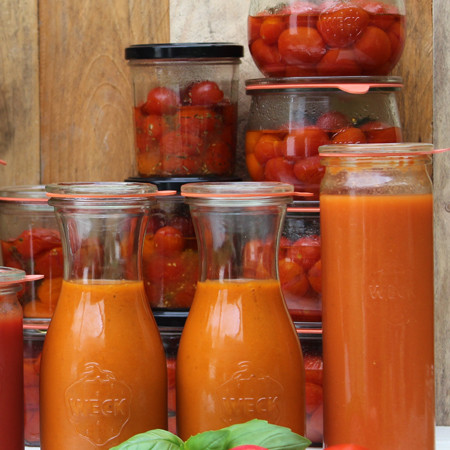
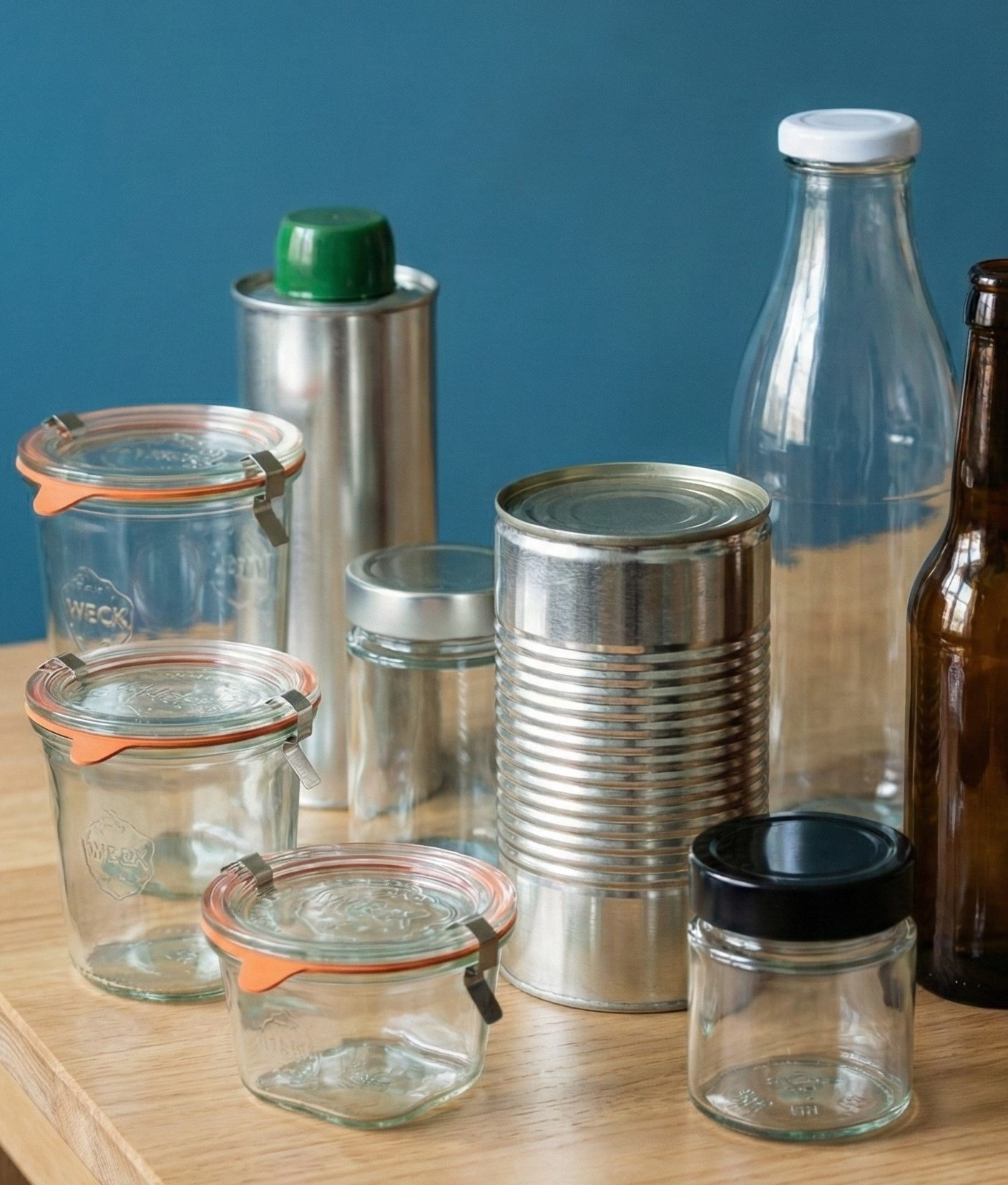
Among the most popular models are the famous Weck jars with their rubber seals and stainless-steel clips, as well as traditional jars with metal clamp closures and rubber rings, such as Le Parfait-style jars.
These jars ensure food can be preserved for months, or even years, at room temperature while maintaining its nutritional qualities.
Airtight jars
The airtight jar is a must-have. Its role is to protect food from air, humidity and pests such as pantry moths.
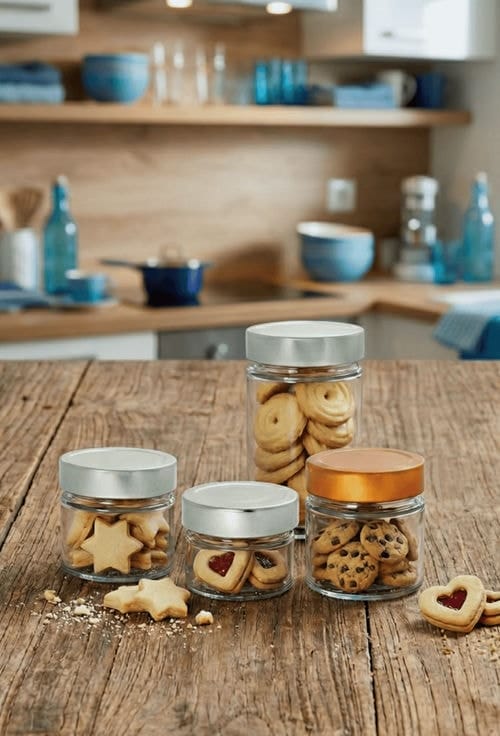
These jars are suitable for storing dry foods such as pasta, rice, sugar, flour, biscuits, spices, dried fruit and nuts.
Thanks to an airtight closure system, often a lid with a seal, twist-off cap or mechanical closure, the airtight jar preserves the crunchiness and original taste of food.
Fermentation jars
Lacto-fermentation is an ancestral preservation method that is becoming popular again. It requires a specific jar capable of managing the internal pressure generated by the chemical process.
Glass jars are perfectly suited to this method of preservation because glass is a neutral material that does not interfere with the acidity of fermented preparations.
For this use, jars fitted with seals are generally used. They allow excess carbon dioxide to escape while maintaining an oxygen-free environment.
Good to know: using an unsuitable jar for fermentation can cause the glass to break under gas pressure. This is why it is essential to choose jars designed for this purpose.
Jars for bulk food
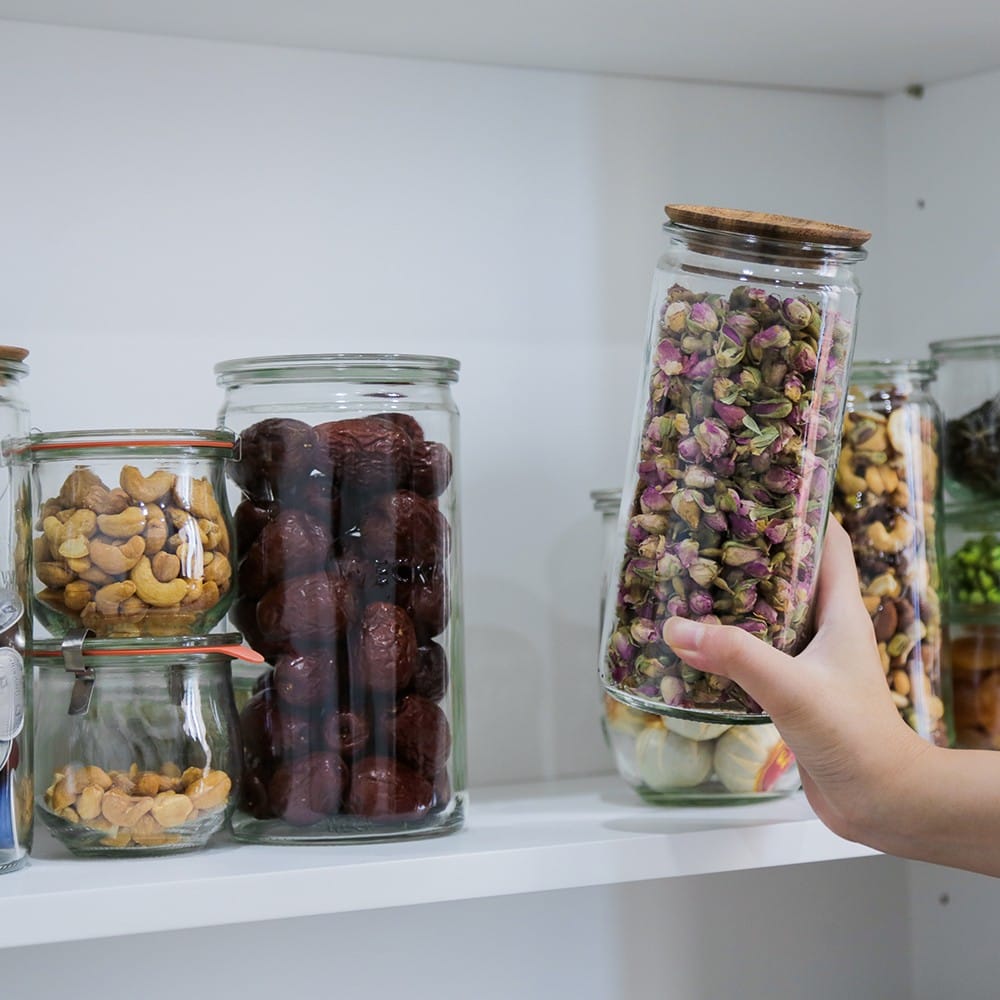
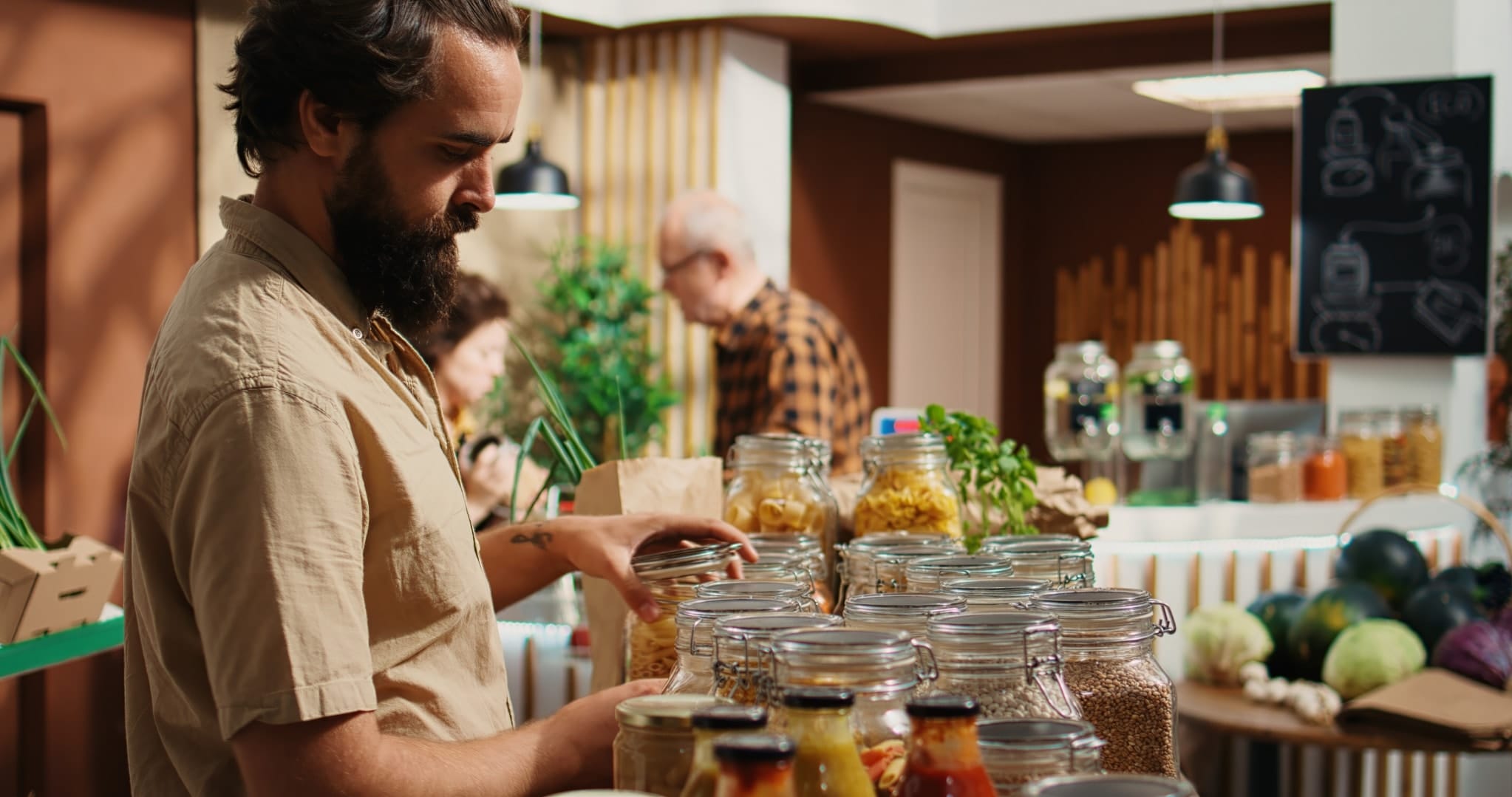
These jars are perfect for storing cereals, pulses and oilseeds bought in bulk from shops. This significantly reduces disposable packaging.
The transparency of glass makes it easy to check remaining quantities at a glance. For bulk food, it is best to choose jars that are both lightweight and resistant, as they are easier to carry in a shopping bag.
Glass jars for specific products
Some foods have specific characteristics in terms of viscosity or filling temperature. They therefore require dedicated containers.
Honey jars
Preserving honey requires a jar that protects its aromas while preventing premature crystallisation caused by humidity.
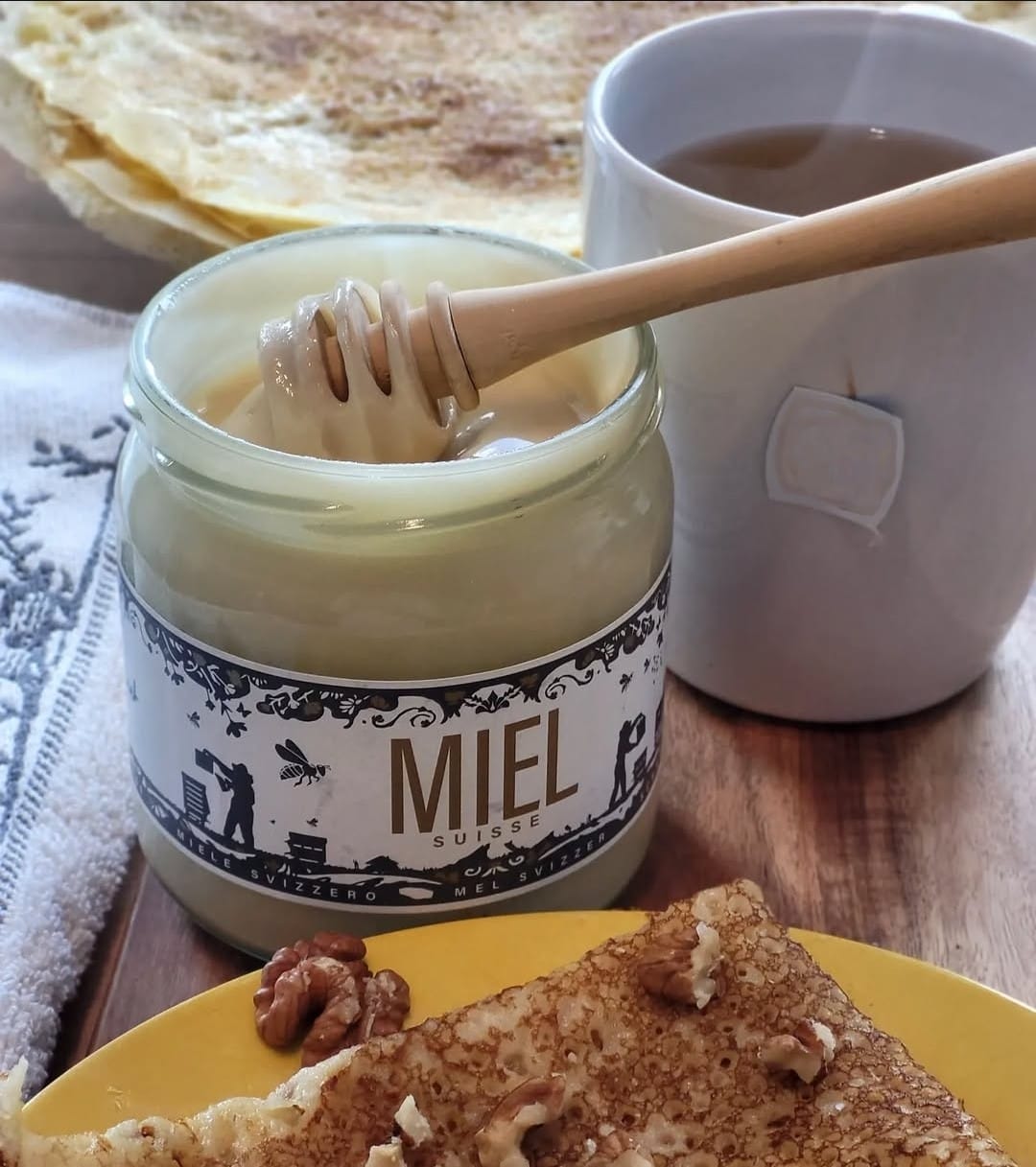
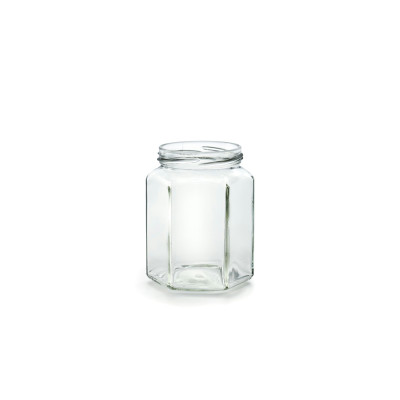
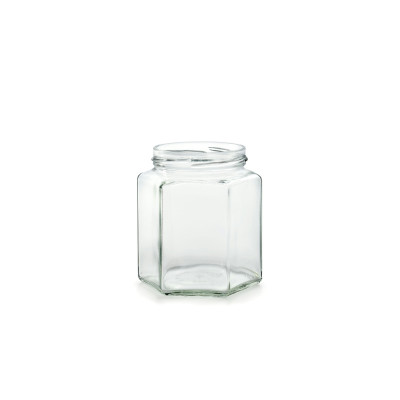
Honey jars are often cylindrical or hexagonal in shape for aesthetic reasons. They are closed with a screw cap to ensure perfect airtightness and make repeated opening easier.
Jam jars
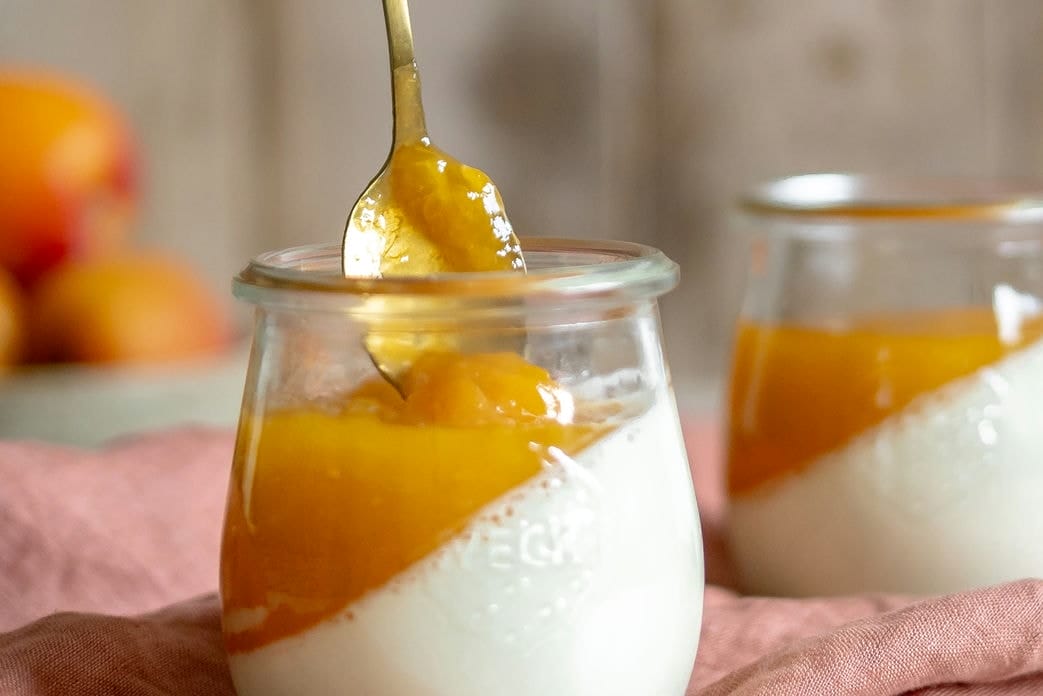
Making jam requires a suitable jar that can withstand hot filling, close to 100°C.
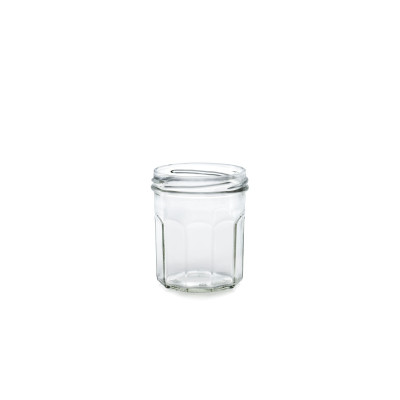
For jam jars, choose small formats such as 250, 375 or 500 ml, so the contents can be consumed reasonably after opening.
Quick guide to choosing the right jar
| Use | Recommended jar type | Ideal closure system |
|---|---|---|
| Preserves, vegetables, meats | Sterilisation-safe jar | Rubber seal + clips |
| Storing dry foods | Airtight jar | Wooden/stainless-steel lid with seal or screw cap |
| Fermentation | Fermentation jar | Rubber seal or special valve |
| Bulk food and organisation | Food storage jar | Screw-on or stackable lid |
| Honey | Specific honey jar | Twist-off cap |
| Jam | Classic jam jar | Twist-off cap or rubber ring |
Would you like to refine your search? You can also discover our glass jars by capacity or our glass jars by shape to find a model that perfectly matches your intended use.
FAQ: everything you need to know about using glass jars
Which jar should I choose for making preserves?
All our glass jars and pots are suitable both for making preserves and for storing honey or jam. They are suitable for heat treatment, including sterilisation and pasteurisation.
What determines whether a jar is suitable for preserving is the combination of the container with the right accessory: a sterilisation-safe twist-off cap for low-acid products such as meats and vegetables, or a pasteurisation-safe twist-off cap for jams and acidic products.
Which jar should I use for bulk food?
For bulk food, airtight jars with bamboo or stainless-steel lids are ideal.
Which jar should I choose to store honey?
Honey is best stored in glass jars fitted with screw caps, also known as twist-off caps.
Which jar should I choose for jam?
Traditional jam jars from 250 ml to 500 ml are the most suitable.
Which jar should I use to store dry foods?
Airtight jars with mechanical or screw closures are perfect for storing dry foods.
Are glass jars suitable for food preservation?
Absolutely. Glass is non-porous, BPA-free and does not transfer taste or odour to food. It is the healthiest and most eco-friendly material for short- and long-term preservation.
Can one jar be used for several purposes?
Yes, many jars are versatile. A Weck jar can be used for sterilisation, fermentation and bulk food storage. You simply need to adapt the closure accessory.
What are the benefits of glass jars?
Glass jars are durable, infinitely recyclable, transparent for easy inventory management and compatible with many preservation methods, including freezing, cooking and sterilisation.
-
 Wide range of products
-
.png) Serving professionals since 1979
Serving professionals since 1979
-
.png) 4 locations in France
4 locations in France
-
.png) Customer Service 9am-12am / 2pm-4pm
Customer Service 9am-12am / 2pm-4pm
-
.png) Services dedicated to professionals
Services dedicated to professionals
Benefit from solutions adapted to your volumes and requirements
 Sliding scale prices based on quantities
- Simple and quick quote request
- Customization possibility
- Optimized delivery for bulk orders