Favourites




Bottle Soup
Discover our selection of glass soup bottles, available in 250 ml, 500 ml, 750 ml and 1 L formats. Practical for packaging, storing or presenting soups, juices, veloutés, liquid preparations and bulk products, they meet the needs of private users and professionals looking for a sober and functional glass container.
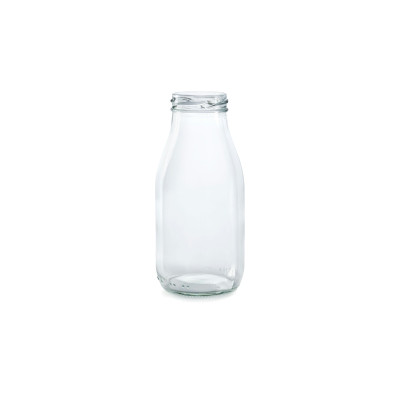
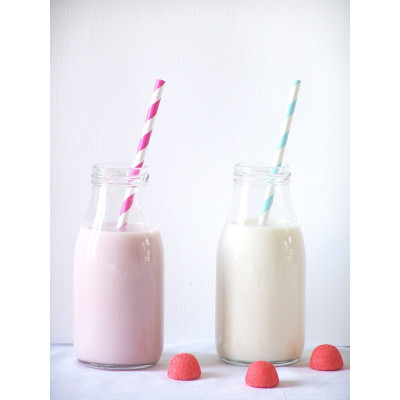
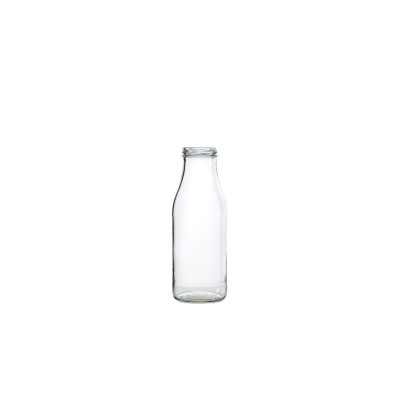
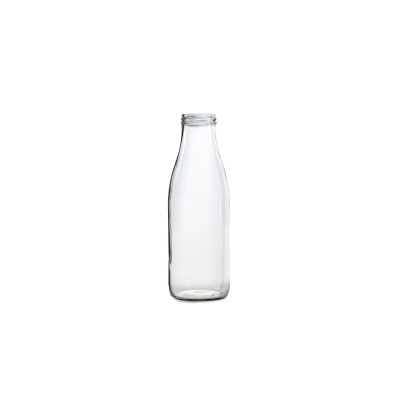
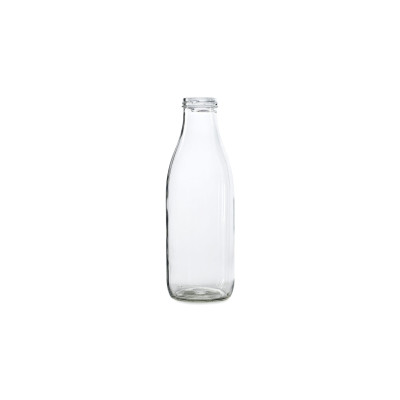
Glass soup bottles: a practical solution for soups, juices and veloutés
Glass soup bottles are designed to package, store and present liquid preparations such as soups, veloutés, homemade juices and bulk products. Their bottle shape makes them easy to handle, store and present clearly, whether in a family kitchen, a shop, a restaurant or a professional food packaging environment.
This selection belongs to the wider range of glass bottles, with containers available in several capacities: 250 ml, 500 ml, 750 ml and 1000 ml. Before any specific use, especially sterilisation, pasteurisation or long-term preservation, it is important to check the compatibility of the container, cap, closure or process used.
Key takeaway: glass soup bottles make it easier to package soups, juices, veloutés and other liquid preparations in practical formats. They are suitable for home use, bulk products and professional packaging needs, provided the chosen closure is compatible with the intended use.
Why choose a glass soup bottle?
Choosing a glass soup bottle means opting for a practical, reusable and visually appealing container for liquid preparations. Glass makes the content easy to identify, highlights the colour and texture of the recipe and gives the product a cleaner, more qualitative appearance than opaque packaging. It is a relevant choice for homemade recipes as well as packaged food products.
- A practical container: the bottle shape makes serving, handling and storage easier.
- A clear presentation: glass allows soups, juices or veloutés to be seen at a glance.
- Several formats available: capacities from 250 ml to 1 L meet different needs for portions, storage or sales.
- A screw closure: Twist Off bottles should be paired with a compatible cap or closure.
- A more sustainable option: depending on use and care conditions, glass can support reuse and reduce reliance on some disposable packaging.
What are glass soup bottles used for?
Glass soup bottles are especially useful for liquid preparations intended to be stored, served or presented in portions. They can meet a wide range of needs, from homemade velouté prepared in advance to artisanal soup or juice packaging for retail or food service.
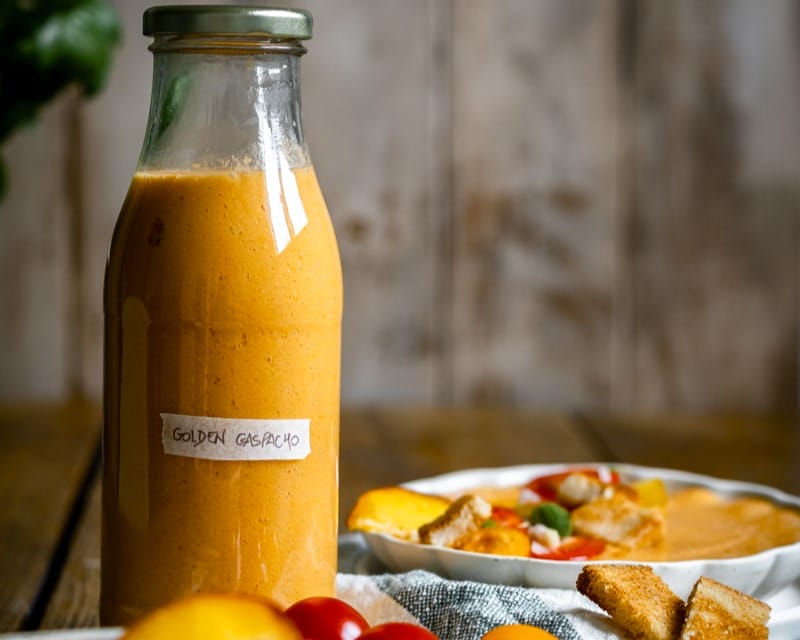
- Packaging soups, veloutés, gazpachos and other liquid preparations.
- Storing homemade juices, nectars or drinks intended for quick consumption.
- Organising bulk products or homemade preparations.
- Creating individual, family or professional formats.
- Presenting artisanal products in delicatessens, restaurants or short supply chains.
- Preparing gift sets, batches or discovery formats depending on the need.
How to choose the right format?
The right format depends on the quantity to be packaged, the consumption method and the context of use. A small bottle is more suitable for an individual portion or a trial format, while a 1 L bottle is better suited to family preparations, bulk products or regular professional packaging.
| Your need | Recommended format | Why |
|---|---|---|
| Individual portion, sample or small discovery format | 250 ml | This format is practical for offering a small quantity, testing a recipe or creating a portable format. |
| Homemade soup, juice or velouté for quick consumption | 500 ml | It offers a good balance between volume, practicality and easy refrigerator storage. |
| Preparation to share or intermediate format | 750 ml | This volume suits more generous preparations without reaching a full family-size format. |
| Family use, bulk products or professional packaging | 1000 ml | The 1 L format is suitable for larger volumes and recurring use. |
A bottle suited to homemade soups and liquid preparations
For private users, glass soup bottles are useful for preparing soups, veloutés, juices or homemade drinks in advance. They help organise the refrigerator, manage portions and store liquid preparations temporarily in a clean and readable container. They are also relevant for people who cook in batches and want practical containers for everyday use.
For professionals, these bottles can be used to package artisanal soups, juices, gazpachos, veloutés or ready-to-consume preparations. Glass supports a neat presentation, especially when the product is sold in a shop, restaurant, delicatessen or short supply chain context.
Soup, juice or bulk products: adapting the bottle to the use
A bottle intended for soup does not have exactly the same requirements as a container used for oil, syrup or fermented drinks. The texture of the product, its temperature at filling, the storage method, the closure used and the expected consumption time all need to be considered. These criteria help select a format that is truly suitable for the product.
To compare different uses, it may be useful to explore bottles for juice, kombucha and kefir, bottles for oil, syrup and other preparations, large glass bottles or small glass bottles. These related categories help refine the choice according to the product to be packaged.
A durable, reusable and recyclable solution
Glass is valued for its durability, transparency and recyclability. As part of a zero-waste or anti-waste approach, glass bottles can help reduce certain disposable packaging, organise homemade preparations and highlight seasonal recipes. They also fit well with consumer expectations around homemade food, bulk buying, short supply chains and artisanal food production.
Reuse depends on cleaning, care, closure and storage conditions. It is therefore important to choose a bottle, cap or closure that is compatible with the product being packaged and the intended use.
Glass soup bottles for private users and professionals
Private users can use these bottles to store homemade soups, prepare juice portions, organise bulk purchases or present liquid recipes more neatly. The available formats make it possible to adapt the container to individual consumption, family use or more regular preparation needs.
Professionals can use them to structure a product range, offer several sales formats, package artisanal preparations or create discovery formats. To complete the container, twist-off caps and other caps and closures help refine the choice according to the desired closure system.
Frequently asked questions about glass soup bottles
Which bottle should I choose for homemade soup?
For homemade soup, the right format depends on the quantity prepared and the consumption method. A 250 ml bottle is suitable for an individual portion, while 500 ml, 750 ml and 1 L formats are better suited to family or professional use. The compatible closure should also be checked.
Can these bottles be used for juices?
Yes, these bottles can be used for juices or homemade drinks if the format and closure match the intended use. They help store liquid preparations in a clear and practical container. However, the compatibility of the cap or closure with the packaged product should always be verified.
Are these bottles suitable for sterilisation or pasteurisation?
Sterilisation or pasteurisation should not be assumed without verification. Before any thermal process, it is necessary to check the compatibility of the container, cap, closure and process used. This precaution helps ensure the selected solution is suitable for the required preservation method.
What is the difference between a soup bottle and a juice bottle?
The difference mainly depends on the intended use, format, product texture and serving method. A soup bottle is designed for soups, veloutés and thicker liquid preparations. A juice bottle may meet other needs related to quick consumption, serving style or product presentation.
Are these bottles suitable for professional use?
Yes, these bottles can be suitable for professionals packaging soups, veloutés, juices or liquid preparations. They are relevant for restaurants, caterers, producers, delicatessens and food brands. The final choice should take the product, format, closure and packaging process into account.
Is glass suitable for bulk products and zero waste?
Yes, glass can be suitable for bulk products and a zero-waste approach when reused, properly maintained and paired with a suitable closure. It helps reduce some disposable packaging, organise liquid preparations and enhance homemade or professional recipes.
-
 Wide range of products
-
.png) Serving professionals since 1979
Serving professionals since 1979
-
.png) 4 locations in France
4 locations in France
-
.png) Customer Service 9am-12am / 2pm-4pm
Customer Service 9am-12am / 2pm-4pm
-
.png) Services dedicated to professionals
Services dedicated to professionals
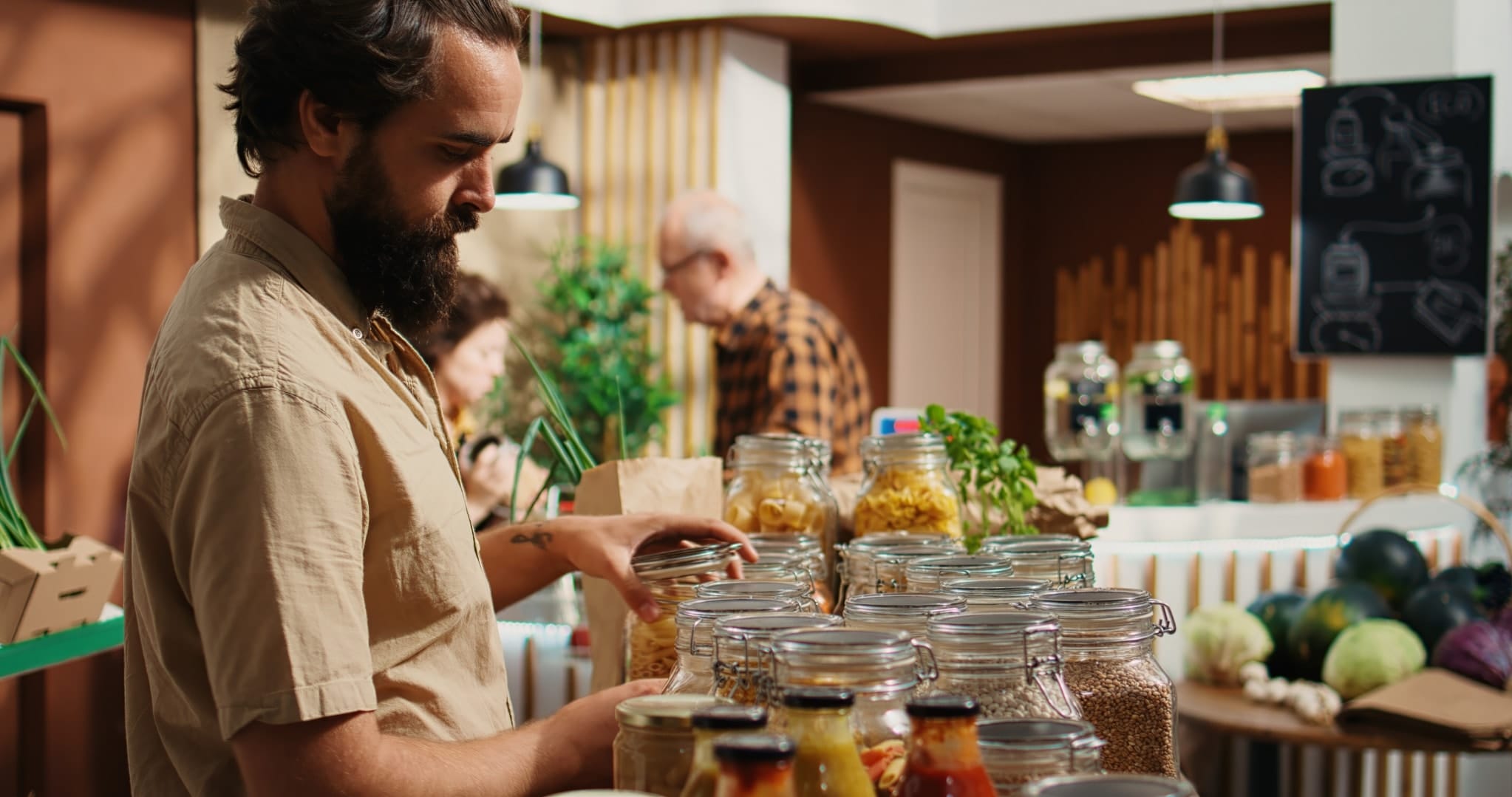
Benefit from solutions adapted to your volumes and requirements
 Sliding scale prices based on quantities
- Simple and quick quote request
- Customization possibility
- Optimized delivery for bulk orders