Favourites




- On sale!
- -20%
plastic head coverings
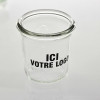
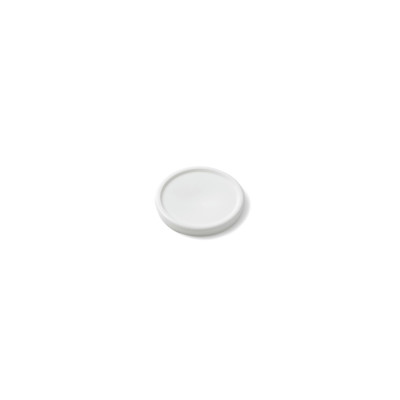
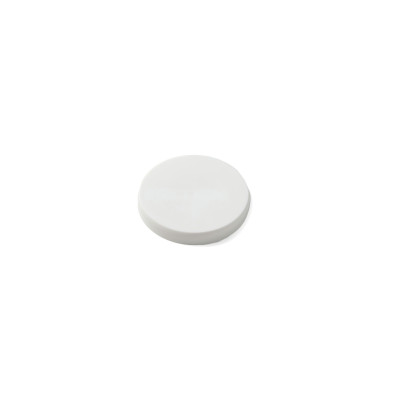
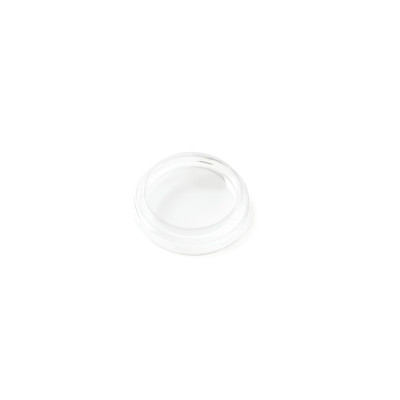
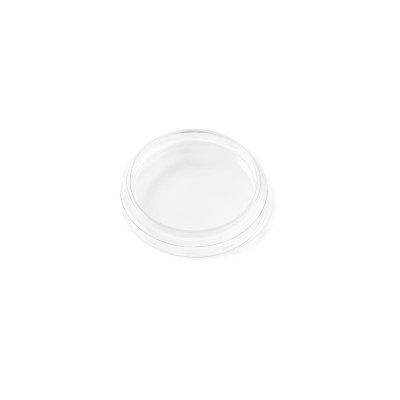
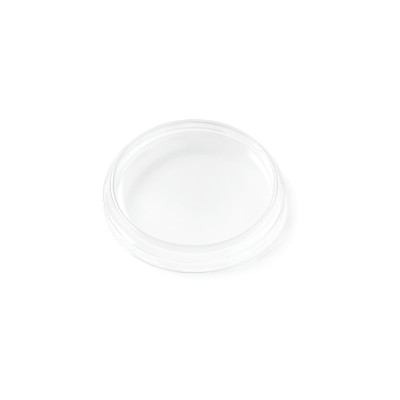
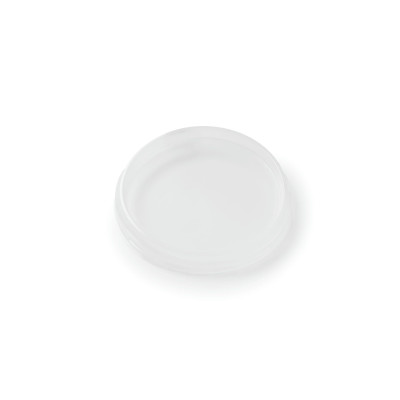
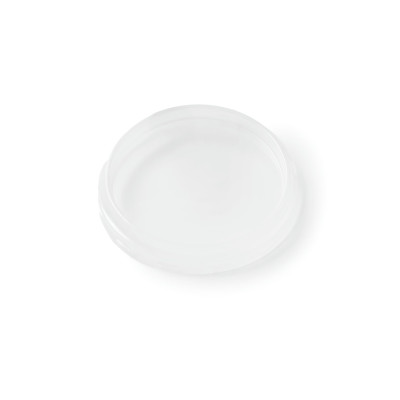
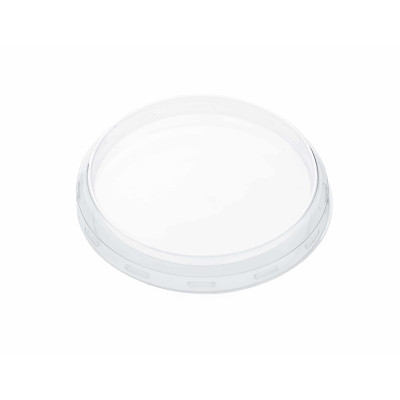
Plastic caps are designed to cover, protect and easily close jars, yoghurt pots and glass containers used every day. Practical after opening or for short-term storage, they make refrigerator storage, presentation, preparation organization and pot reuse easier. Available in several materials, colours and diameters, they must be chosen according to the container used and the intended use. You can also browse our plastic caps and yoghurt lids to select accessories compatible with your jars and glass pots.
- On sale!
Weck - VM000224
- On sale!
- -40%
- On sale!
Weck - VM000226
- On sale!
- -60%
Weck - VM000225
- On sale!
- -60%
Weck - VM000224
- On sale!
- -40%
- On sale!
- On sale!
Weck - VM000225
- On sale!
- -50%
Weck - VM000227
- On sale!
- -60%
Weck - VM000227
- On sale!
- -60%
VM000230
- -40%
VM000228
- -40%
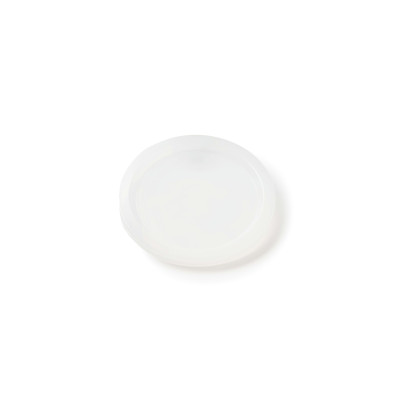
VM000234
- -25%
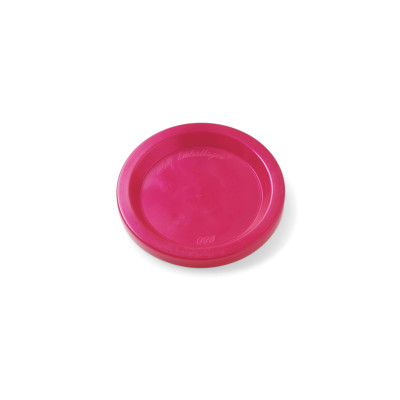
VM000229
- -40%
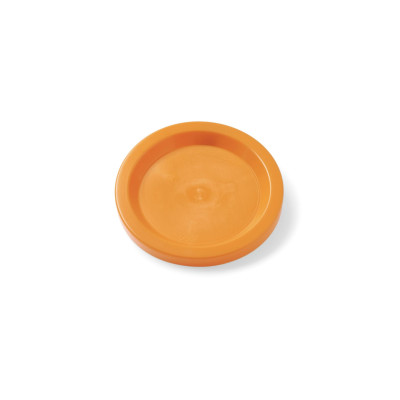
VM000243
- -40%
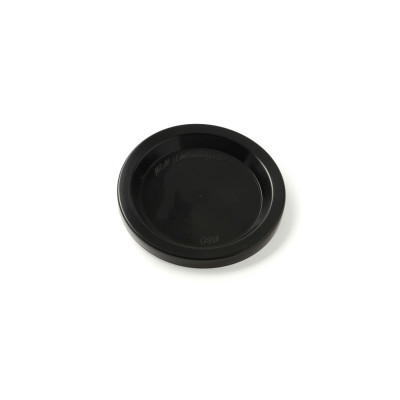
VM000244
- -40%
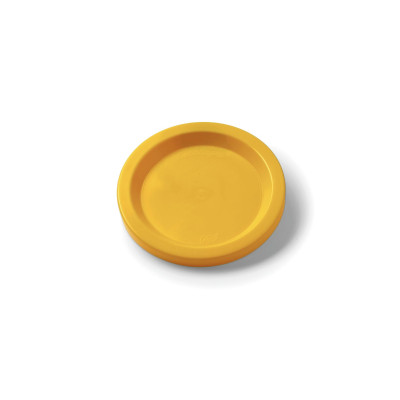
VM000242
- -40%
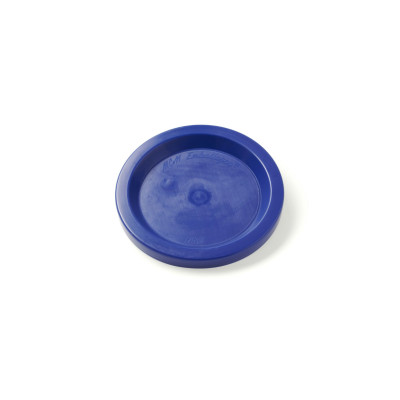
VM000231
- -40%
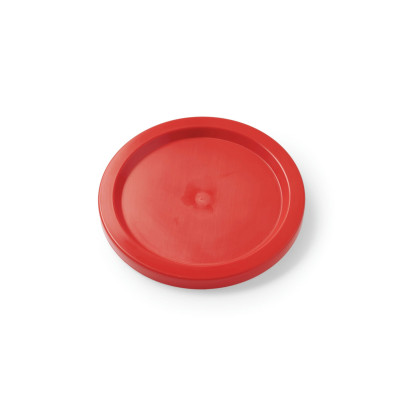
VM000236
- -40%
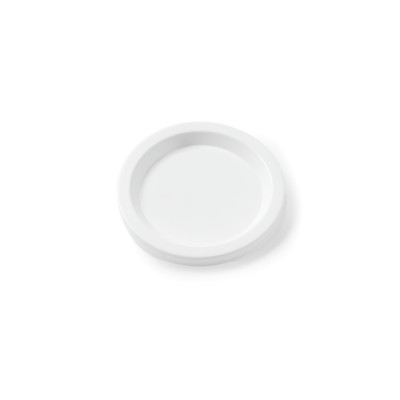
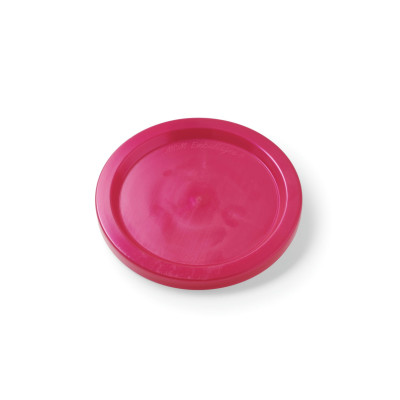
VM000239
- -25%
- Out-of-Stock
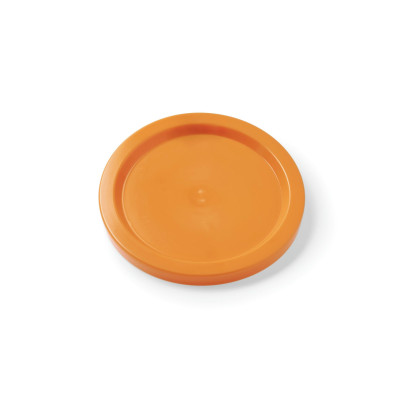
VM000238
- -40%
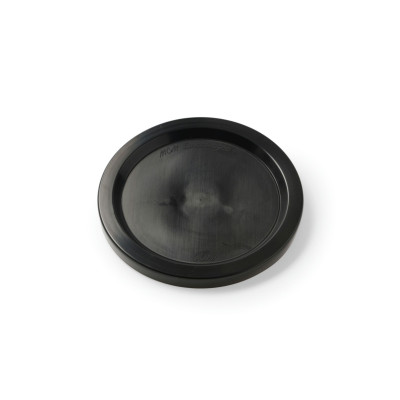
VM000240
- -25%
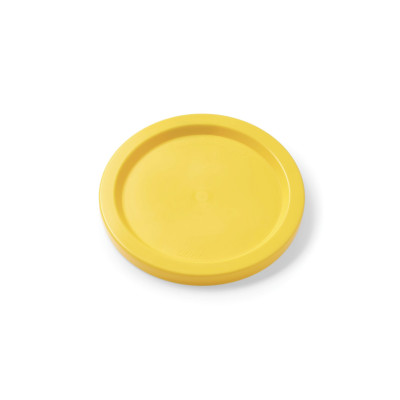
VM000235
- -40%
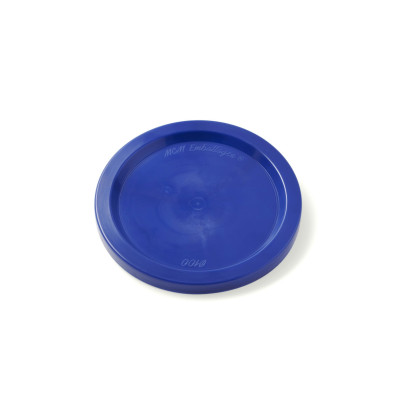
VM000237
- -40%
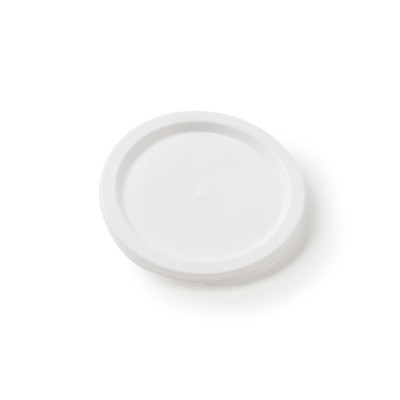
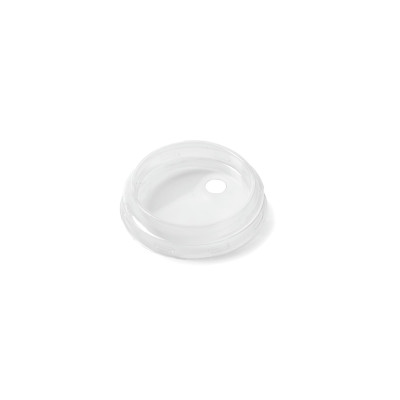
Weck - VM000223
- On sale!
- -60%
- Out-of-Stock
Plastic caps for jars, pots and glass containers
Plastic caps are practical accessories for covering, protecting and closing jars, yoghurt pots, verrines and glass containers. They help extend the everyday use of pots, whether for keeping a preparation chilled, organizing dry ingredients or presenting individual portions.
This category brings together several types of clip-on plastic caps, available in different diameters, colours and materials. It helps users choose a cap suited to the container used, the packaged preparation and the intended use. To compare complementary accessories, you can browse the plastic caps and yoghurt lids category.
A practical accessory for closing pots every day
A plastic cap is useful when a pot or jar does not require a technical long-term preservation closure. It allows the container to be covered quickly, without screwing, without a metal cap and without a complex closure system.
It can be used after opening, after preparation or to temporarily protect contents. Its main role is to provide a convenient closure for freshness, storage, presentation and container reuse.
What are plastic caps used for?
Plastic caps are used to protect the contents of a compatible pot or jar. They limit contact with ambient air, make refrigerator storage easier, protect against splashes and help organize preparations more effectively.
They are especially useful for yoghurts, creams, desserts, compotes, sweets, dry ingredients, small portions, homemade preparations and decorative uses. The choice depends on the container diameter, desired material and expected closure type.
- Freshness protection: cover a preparation after opening or after preparation.
- Clip-on closure: simple and quick system for compatible pots and jars.
- Several diameters: choice to be made according to the container format used.
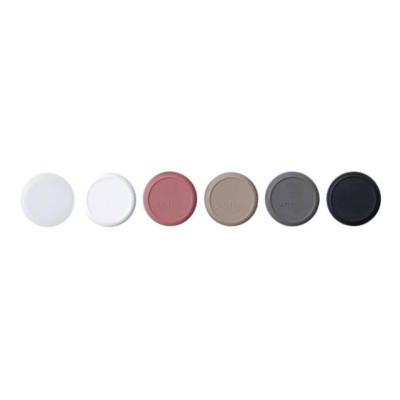
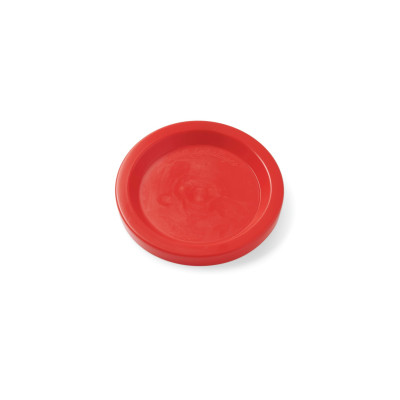
- Various colours: transparent, white, red, pink, orange, black, yellow or blue depending on available references.
- Different materials: plastic, PET, PVC or silicone depending on the models.
- Multiple uses: yoghurts, creams, sweets, decoration, storage, presentation and reuse.
A simple and quick clip-on closure
Clip-on plastic caps are designed to fit directly onto a compatible pot or jar. This system makes it possible to cover the container quickly without needing a screw cap or complex closure system.
However, the cap must precisely match the container diameter. An unsuitable diameter can prevent proper fit, create movement or make the closure unusable. Diameter selection therefore remains the priority before colour or material.
Choosing the right plastic cap diameter
Diameter is the first criterion to check before choosing a plastic cap. It must match the neck or opening of the pot used. A model that is too small will not fit correctly, while a model that is too large may not hold.
Before ordering, it is recommended to check the container reference, its closure diameter and the compatible cap type. This check is essential when several pot or jar formats are used in a kitchen, workshop or preparation lab.
Transparent, white or coloured plastic caps
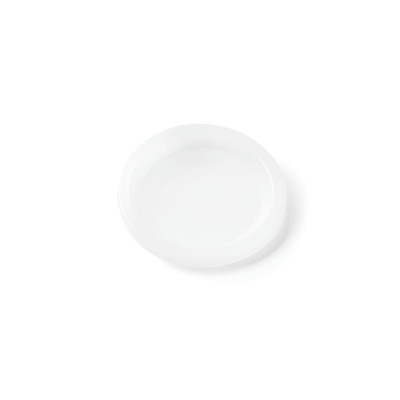
Plastic caps may be available in several colours. Transparent models make it easy to quickly see the contents of the pot. White caps provide a clean, sober and versatile finish. Coloured models can help organize preparations or differentiate uses.
A colour code can be useful for distinguishing recipes, preparation dates, batches or product families. In both professional and home settings, this approach makes organization easier and improves container readability.
PET, plastic, PVC or silicone: choosing the right material
Plastic caps may be made from different materials depending on the model: plastic, PET, PVC or silicone. Each material meets specific needs in terms of flexibility, fit, transparency, reuse and everyday use.
The material should be chosen according to the container, contents, storage conditions and intended use. For food use, it is important to follow the product recommendations and check compatibility with the preparation concerned.
A solution to protect chilled preparations
Plastic caps make short-term refrigerator storage easier. They help cover pots, protect preparations and keep storage areas more organized.
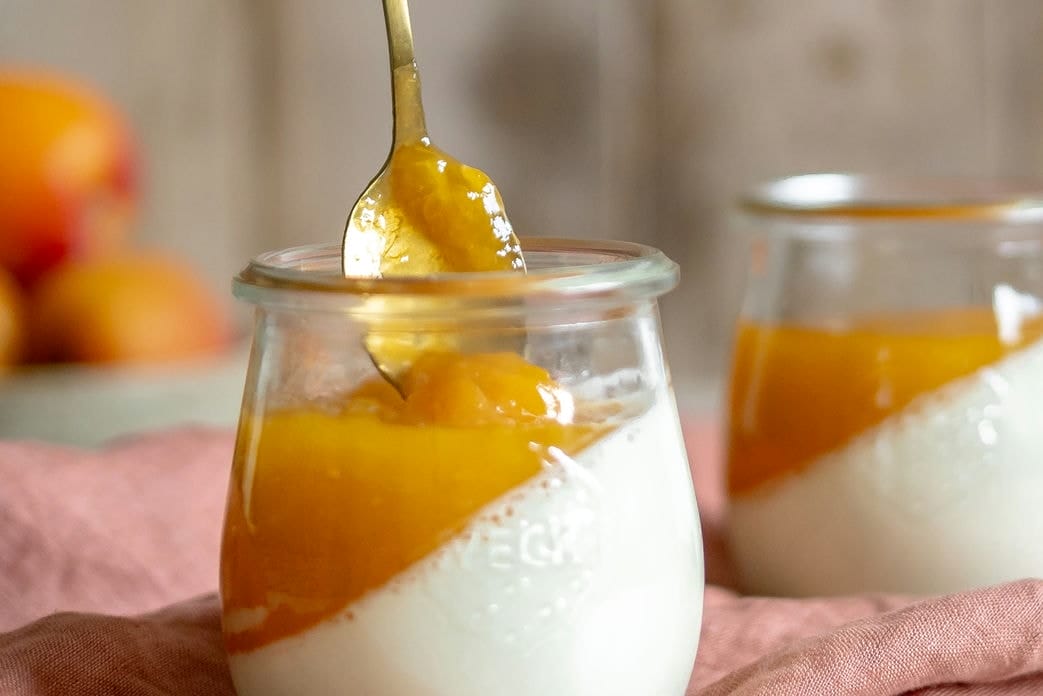
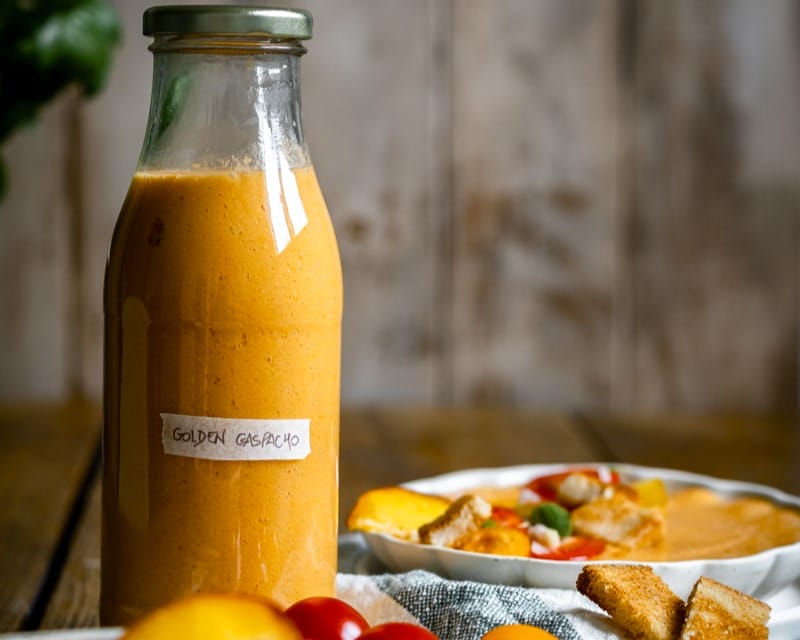
They may be suitable for yoghurts, creams, mousses, panna cotta, compotes, prepared fruit, cold sauces, dips, condiments and small portions. They provide a simple solution when contents are intended to be consumed quickly.
A useful cap for yoghurts, creams and desserts
Plastic caps are especially suited to small yoghurt pots, dessert creams and individual preparations. They make it possible to cover containers after preparation or opening, while making chilled storage easier.
For private users and professionals alike, they simplify the organization of desserts and individual portions. They can be used in a family kitchen, artisanal preparation lab, catering service or restaurant activity.
A solution also suited to sweets and decorative uses
Beyond fresh preparations, plastic caps can also be used for sweets, small decorative containers, dry ingredients and creative uses. They protect the contents while giving the container a cleaner finish.
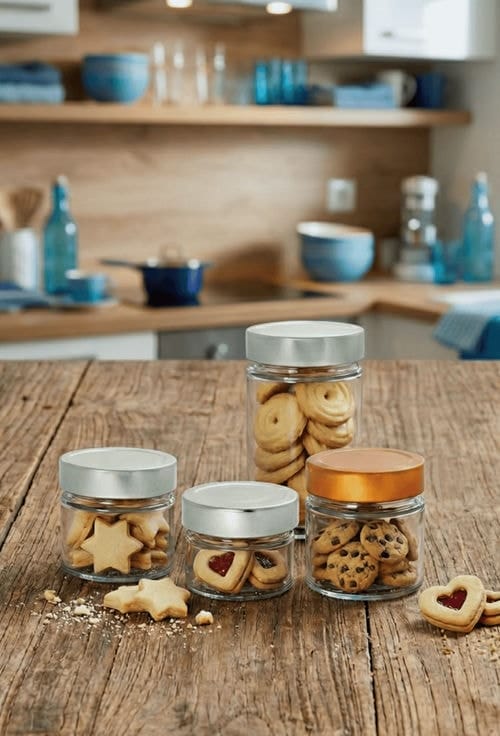
They can be used with biscuits, sweets, chocolates, sugared almonds, spices, seeds, small gourmet gifts and decorative containers. The choice of colour or transparency can also contribute to the final presentation.
A useful accessory for reusing glass pots
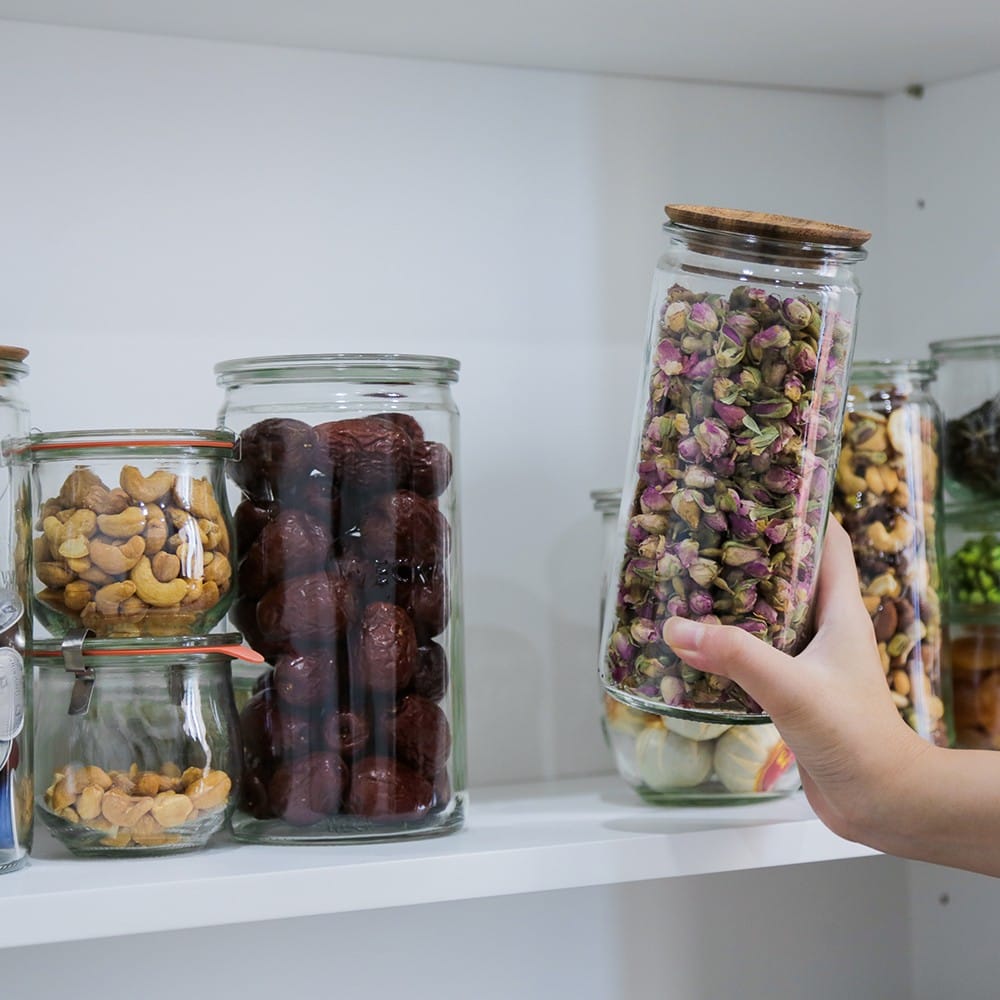
Glass pots and jars can be reused for many purposes: homemade desserts, small portions, dry ingredients, sauces, condiments, kitchen organization, gourmet gifts and decoration. A compatible plastic cap helps extend their use.
As part of a practical and sustainable approach, the plastic cap becomes a simple accessory that gives containers a second life. It makes storage, content protection and preparation organization easier.
A useful solution for professionals and private users
Plastic caps can suit private users, restaurants, caterers, artisans, producers, preparation labs, institutions and food service professionals. They make it easier to protect, identify and present containers.
For professionals, the choice must be consistent with the pot, diameter, contents, storage conditions and intended use. For private users, it mainly helps close everyday pots easily.
Pay attention to long-term preservation uses
A plastic cap is designed for practical closure, temporary protection and short-term storage. It should not be confused with a twist-off cap, sterilization lid or closure system intended for long-term preservation.
For preparations requiring heat treatment, pasteurization, sterilization or extended preservation, containers and closures suited to the intended process must be used. The plastic cap remains above all an accessory for protection, freshness, serving and storage.
How to choose plastic caps?
The choice should start with the container. Identify its diameter, check compatibility with the cap and define the intended use: protect, close, store chilled, organize, present or decorate.
Once these criteria have been validated, the material, colour and pack size can be selected according to the need: home use, regular pot rotation, artisanal activity or professional requirement. To complete your selection, the plastic caps and yoghurt lids category brings together accessories compatible with glass pots and jars.
Frequently asked questions about plastic caps
What is a plastic cap used for?
A plastic cap is used to cover, protect or temporarily close a compatible pot or jar. It is useful for short-term storage, organization, presentation and container reuse.
How do I choose the right cap diameter?
You need to check the diameter of the pot or jar used. The cap must precisely match the container to fit properly and provide a practical closure.
Are plastic caps suitable for refrigerator use?
Yes, they can be used to protect chilled preparations as part of short-term storage, after opening or after preparation.
Do plastic caps replace twist-off caps?
No, they do not replace twist-off caps intended for technical closure, heat treatment or long-term preservation.
Can pots be reused with these caps?
Yes, a compatible cap allows glass pots or jars to be reused for desserts, small portions, dry ingredients, homemade preparations or decorative uses.
Where can I find other plastic caps and yoghurt lids?
To complete your selection, you can browse the plastic caps and yoghurt lids category on CONSERVOR.
-
 Wide range of products
-
.png) Serving professionals since 1979
Serving professionals since 1979
-
.png) 4 locations in France
4 locations in France
-
.png) Customer Service 9am-12am / 2pm-4pm
Customer Service 9am-12am / 2pm-4pm
-
.png) Services dedicated to professionals
Services dedicated to professionals

You are a professional ?
Benefit from solutions adapted to your volumes and requirements
 Sliding scale prices based on quantities
- Simple and quick quote request
- Customization possibility
- Optimized delivery for bulk orders