Favourites




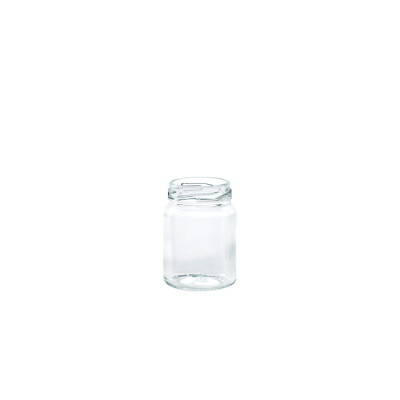
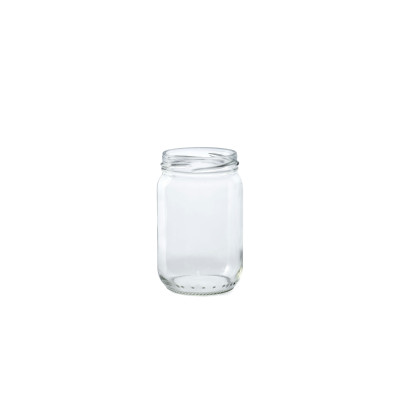
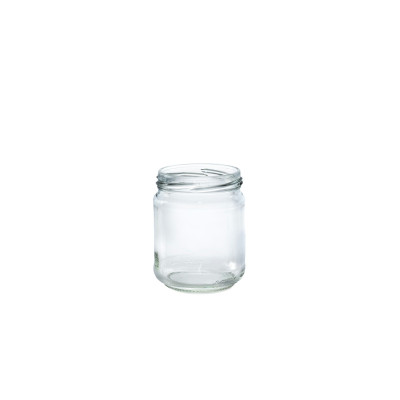
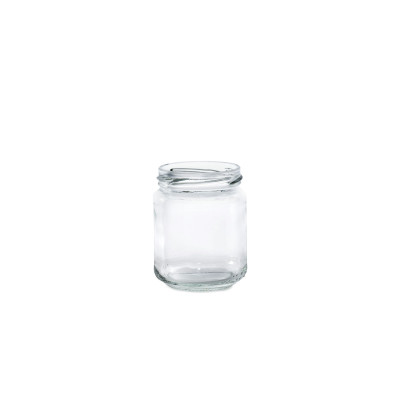
Glass jars by capacity
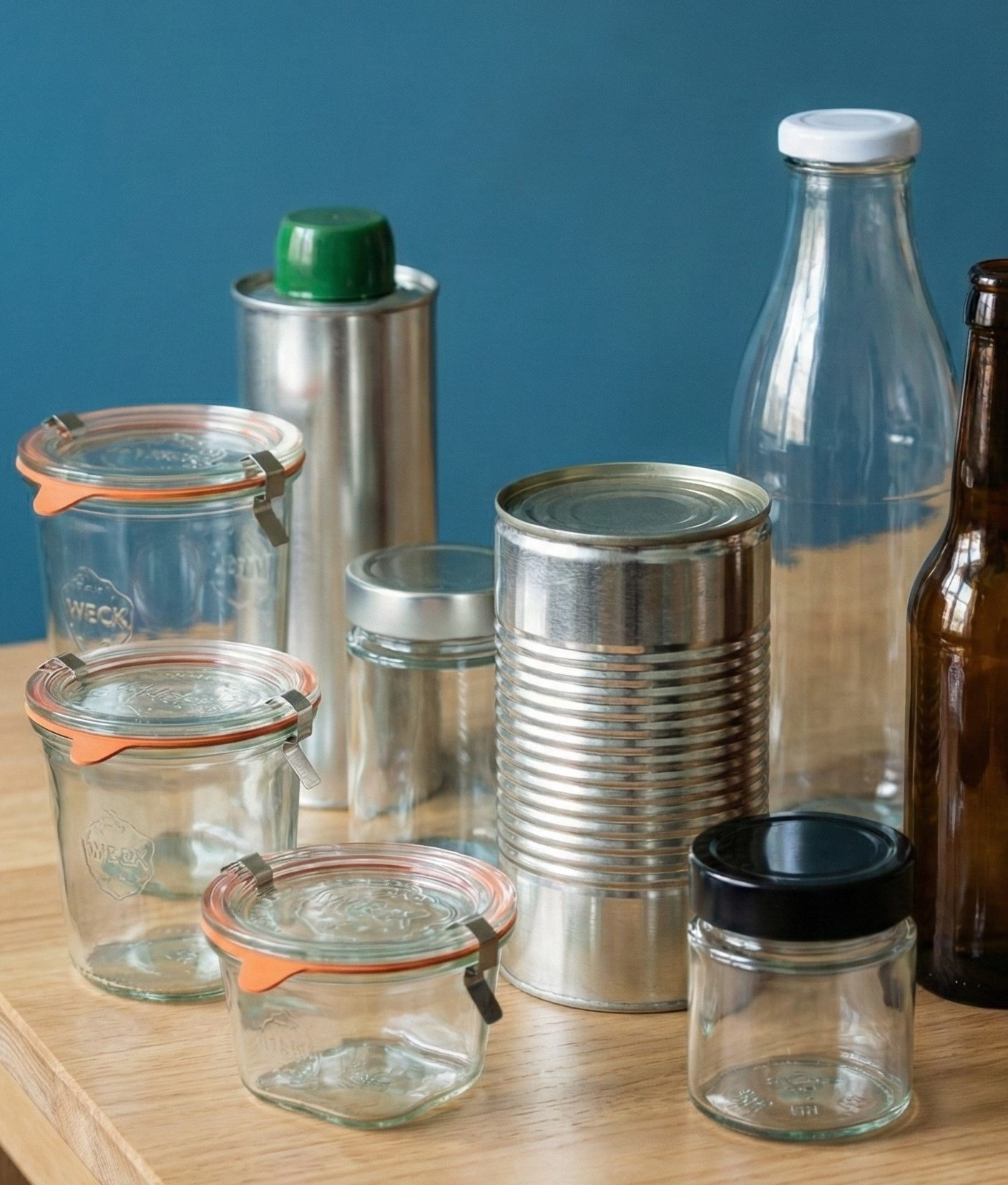
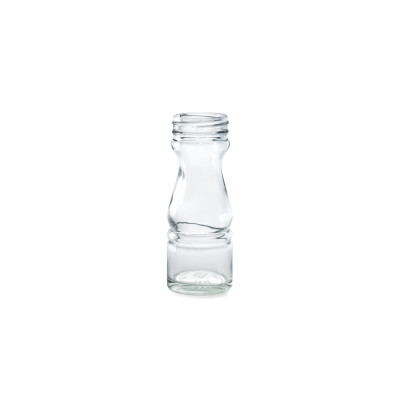
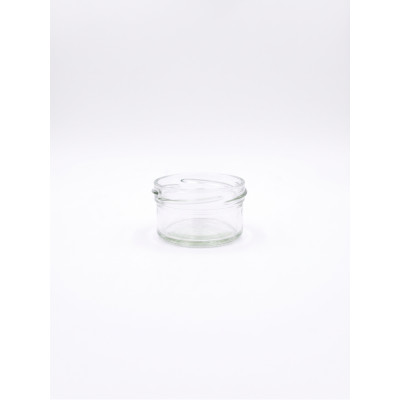
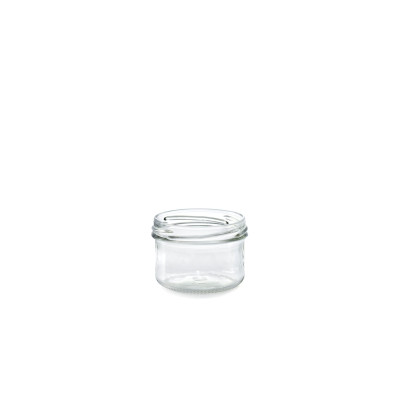
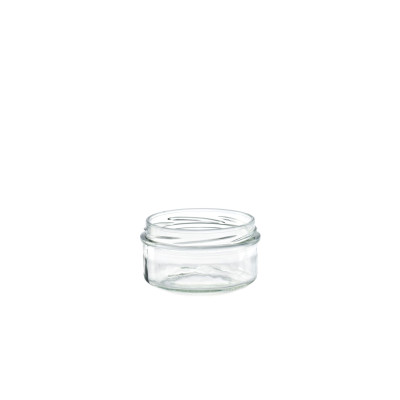
Choosing the right glass jar capacity is essential for preserving food properly, organising your kitchen and matching each jar size to its intended use. Small jars for spices, medium formats for jams or sauces, and larger containers for bulk foods or fermentation: this guide helps you find the ideal size for your everyday needs.
- Out-of-Stock
- Out-of-Stock
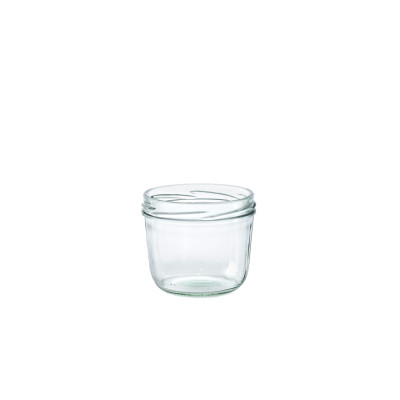
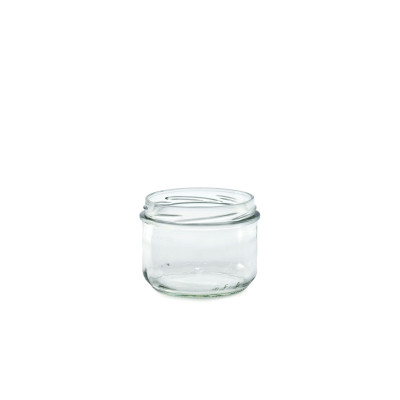
- Out-of-Stock
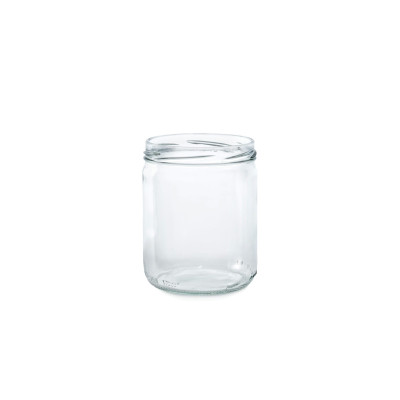
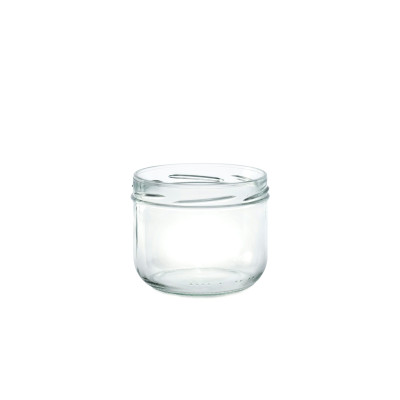
- -50%

- Out-of-Stock
- Out-of-Stock
- -40%
- -20%
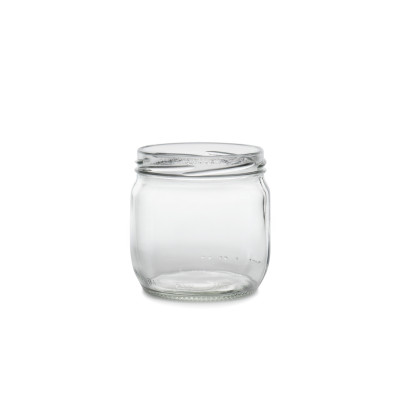
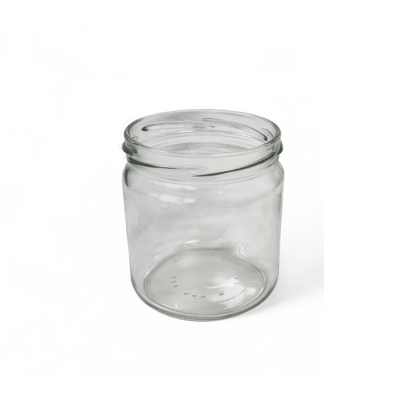
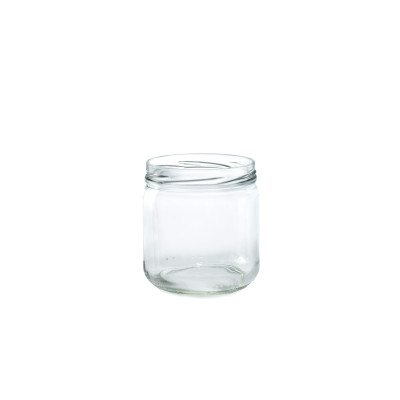
- Out-of-Stock
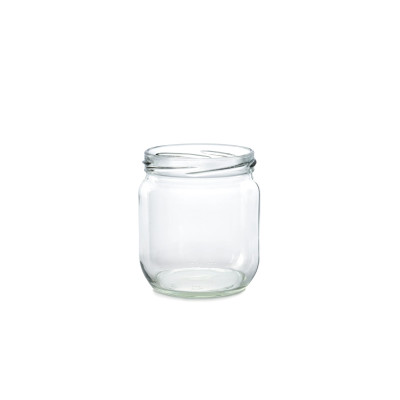
- -15%
- -20%
- Out-of-Stock
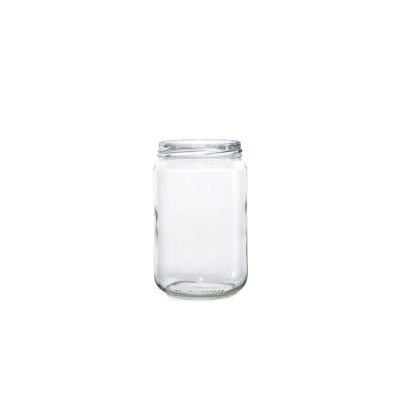
Glass Jars by Capacity: Which Size Should You Choose?
Glass jars have become essential for food preservation. They make it easy to store foods bought in bulk, prepare homemade preserves or optimise cupboard organisation.
However, not all glass jars have the same capacity. Choosing the capacity of a glass jar should not be done at random. It does not only affect daily convenience and the visual organisation of your kitchen. It also plays an essential role in the quality of food preservation.
Not sure which jar capacity to choose depending on the type of food you want to store? Follow our complete guide.
Why is the capacity of a glass jar important?
The capacity of a glass jar is not just a matter of cupboard space. It is a technical factor that directly affects how you consume and preserve your food.
Adapting the volume to portions
The first step is to adapt the capacity of the glass jar to your consumption needs.
For an individual portion, formats between 250 ml and 500 ml are generally recommended.
For a couple or a family, formats from 750 ml to 1.5 L are ideal for serving several people without unnecessary handling.
Optimising food preservation
Food safety also depends on the empty space left inside the jar. A jar that is too large for a small amount of food traps too much air, which accelerates oxidation and reduces shelf life after opening. A jar that is too small may prevent proper sterilisation or overflow during fermentation.
Choosing the right food storage jar therefore means finding the right balance between the food and the empty space left inside the jar.
Making kitchen organisation easier
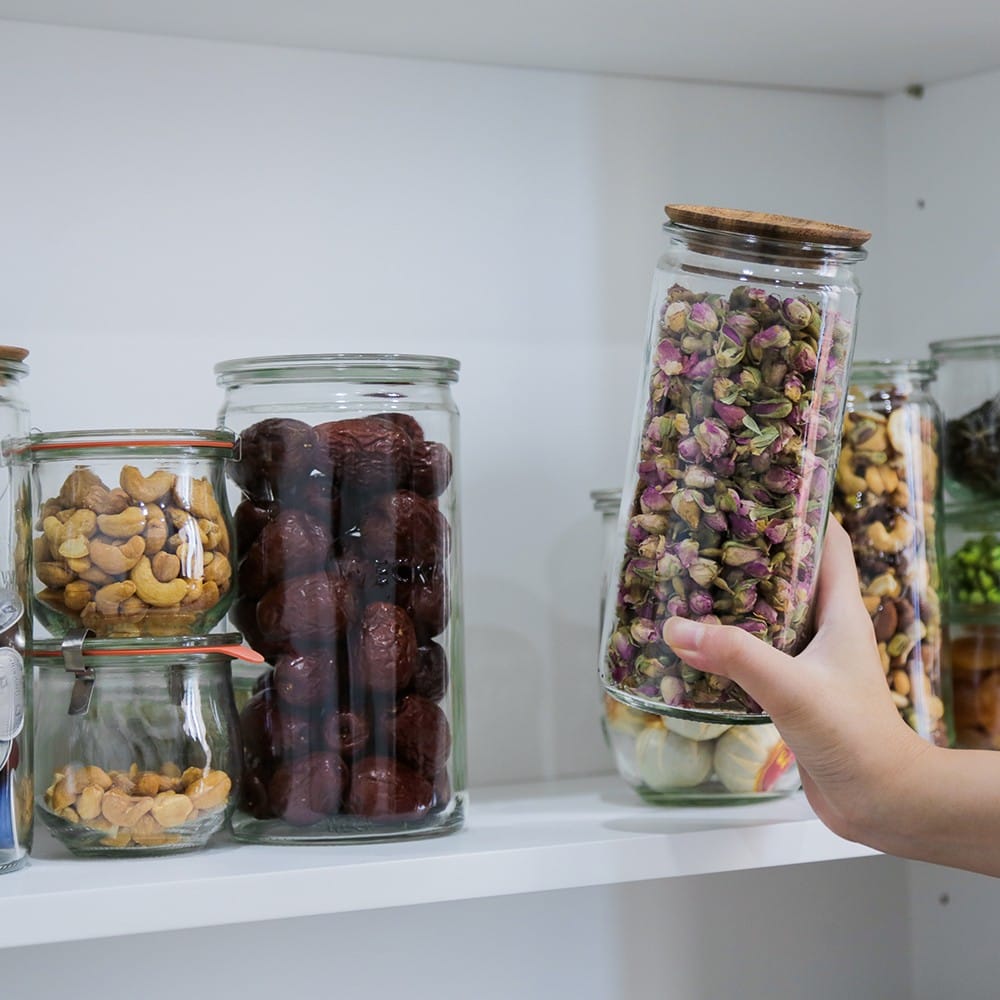
The practical and visual aspect should not be overlooked when choosing the capacity of glass jars. Choosing standardised capacities makes it easier to stack jars and store them neatly in kitchen cupboards.
Small capacities: 100 ml and under
These small formats are highly appreciated for their practicality. They can be easily carried anywhere.
Uses: storing spices such as pepper, turmeric or herbs, serving sauces, tasting samples, wedding sweets or verrines for special occasions.
Benefits: they provide the perfect individual portion for condiments or homemade cosmetics. Their small size allows for optimal storage in spice drawers.
Compact formats: 100 ml to 250 ml
Glass jars of 250 ml or less are compact formats appreciated for preserving all kinds of preparations.
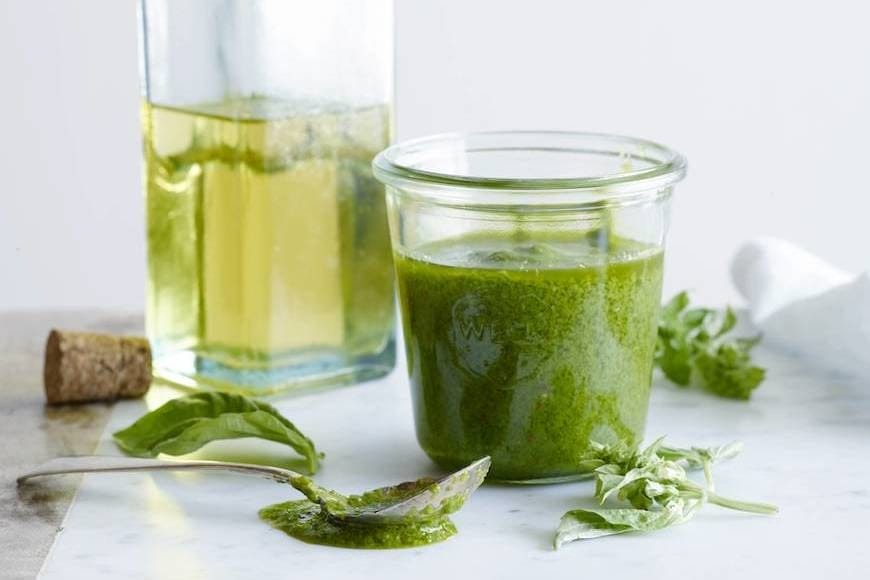
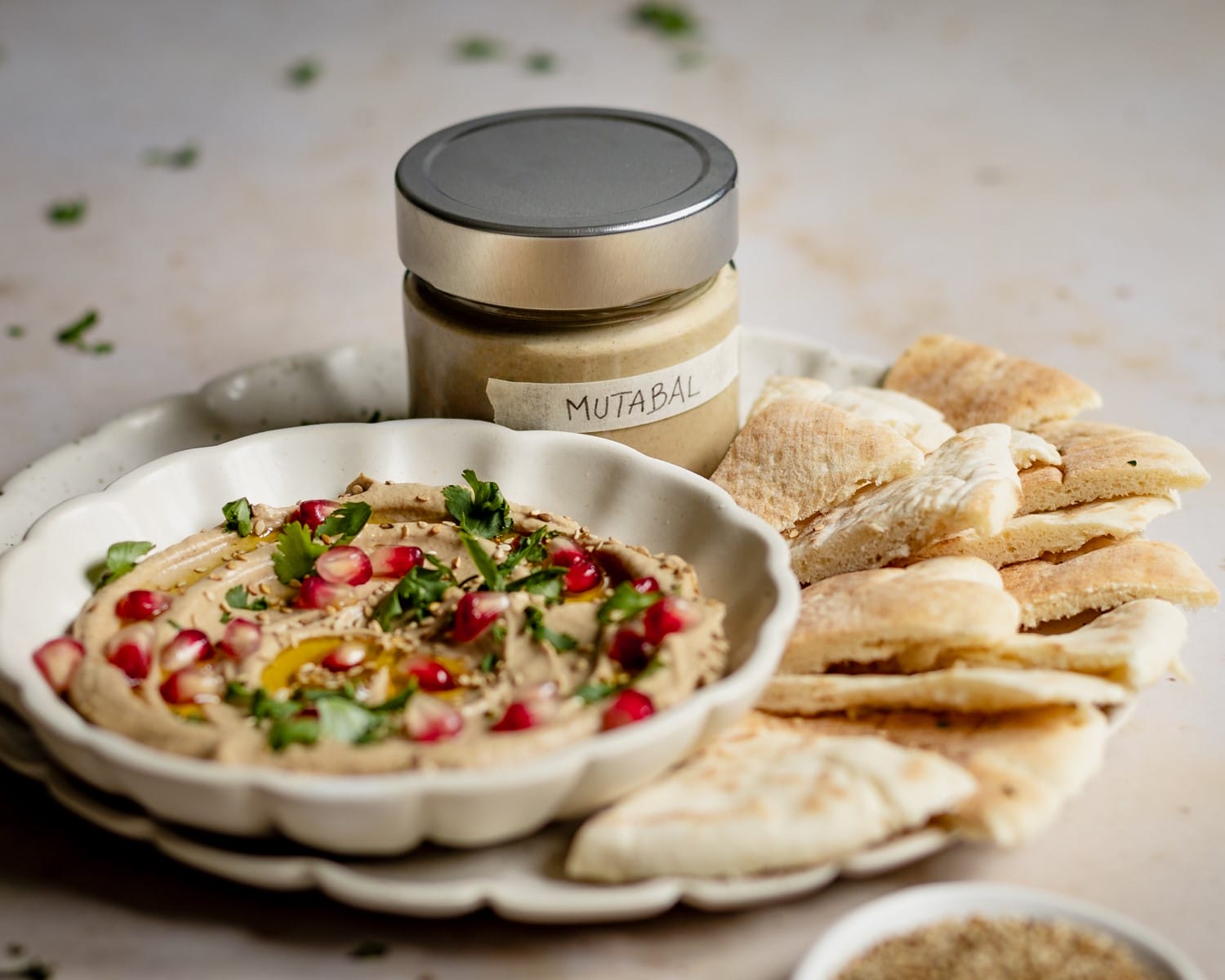
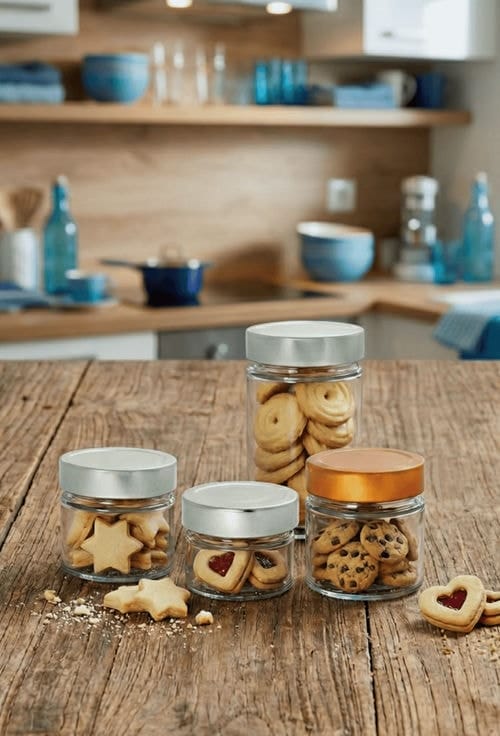
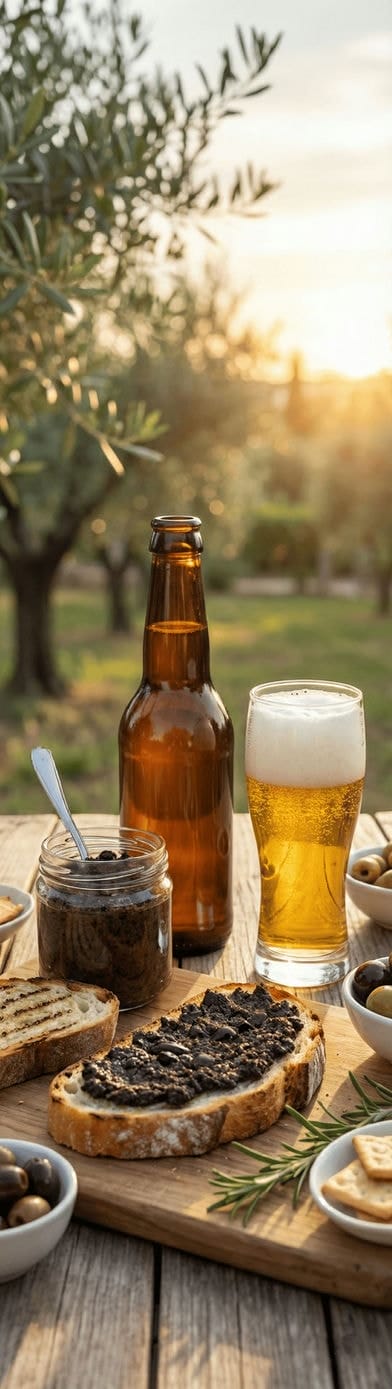
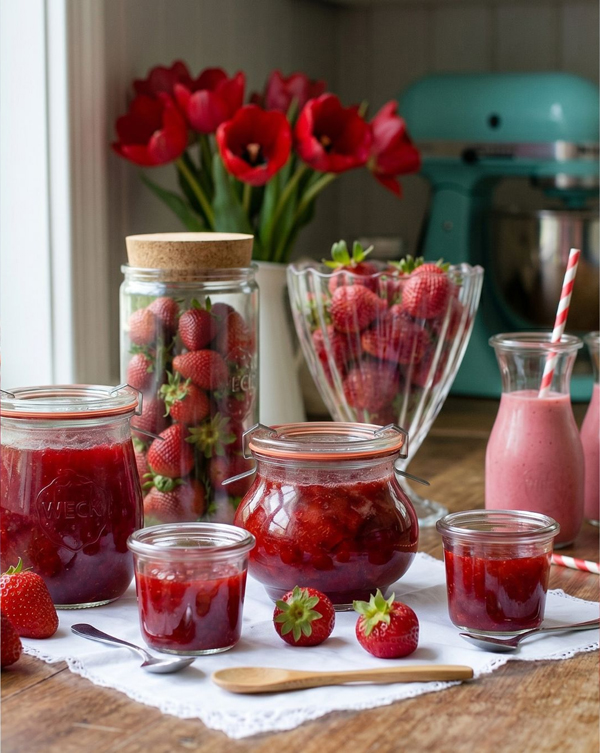
Uses: homemade jams, chutneys, tapenades, pesto, terrines or pâtés. These compact formats can also be used to make candles, scented or unscented.
Benefits: these compact formats make storage practical, as the contents are consumed quickly after opening, preventing the product from deteriorating by staying too long in the refrigerator.
Versatile capacities: 250 ml to 500 ml
Glass jars from 250 ml to 500 ml are among the most popular because they are versatile and suitable for many uses.
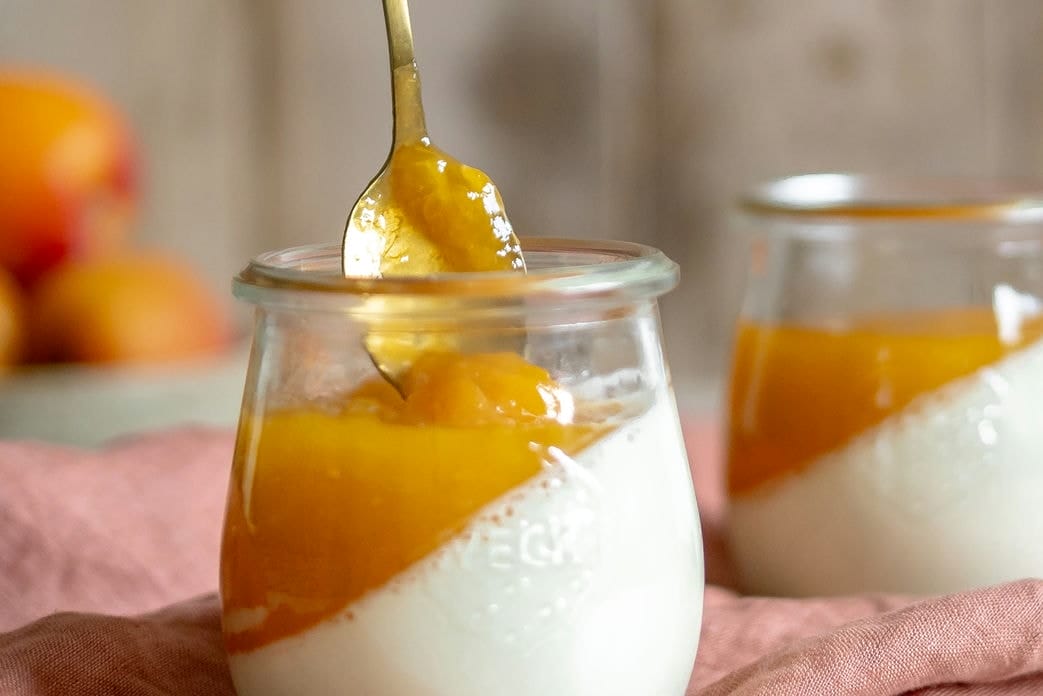
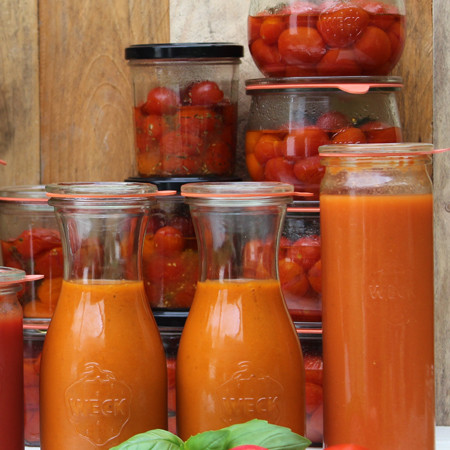
Uses: tomato sauces, chopped vegetables, pickles such as gherkins or red onions, dairy desserts or fruit compotes.
Benefits: these formats correspond to a generous portion for one person or a side dish for two. They are large enough to be easy to handle and compact enough not to clutter up cupboards.
Family formats: 500 ml to 750 ml
These intermediate capacities are perfect for preserving cooked meals.
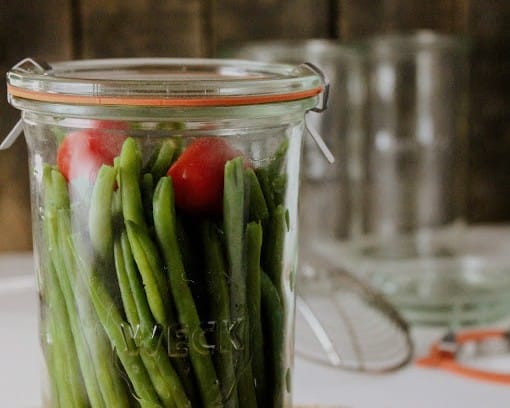
Uses: cooked dishes, thick soups, whole vegetables such as asparagus or carrots, or fruit in syrup.
Benefits: these formats are practical for serving 2 to 3 people. They are also suitable for batch cooking if you are used to preparing meals for the whole week in advance. You can store your weekly preparations without overcrowding your freezer or pantry.
Large family formats: 750 ml to 1 L and more
Glass jars from 750 ml to 1 L and more are the most suitable formats for bulk foods and large food reserves.
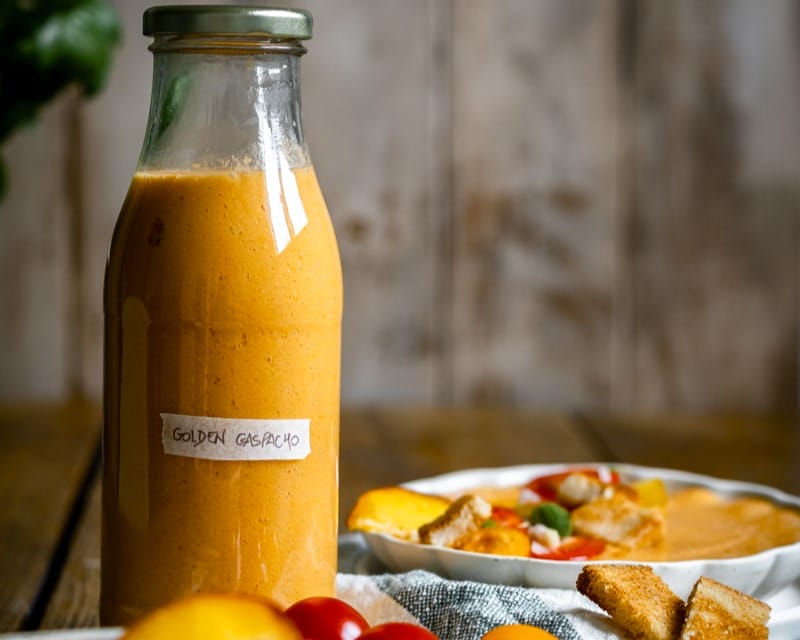
Uses: storing dry foods such as rice, pasta, flour or cereals, lacto-fermentation such as sauerkraut, homemade drinks such as kombucha or kefir, or storing large harvests.
Benefits: a large-capacity glass jar allows you to empty an entire bulk bag, avoiding leftover opened packaging. These jars are also ideal for fermentation methods that require space for the natural process to take place.
Quick guide to choosing the right capacity
| Type of use | Recommended capacity | Product example |
|---|---|---|
| Spices and condiments | 50 ml to 100 ml | Spices, saffron, salts |
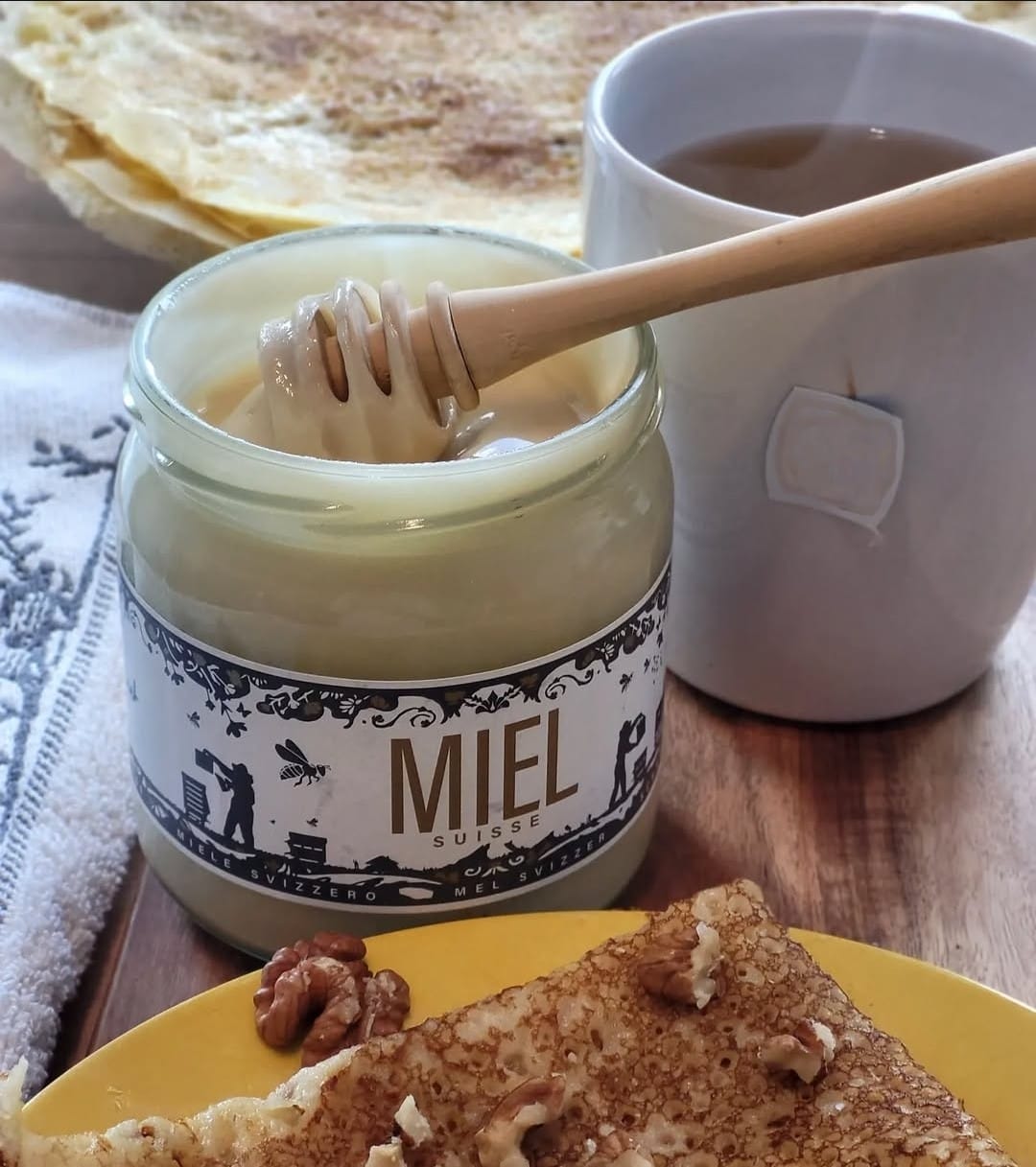
| Spreads and jams | 200 ml to 350 ml | Jam, honey, tapenade, pâté |
| Sauces and pickles | 250 ml to 500 ml | Pesto, tomato sauce, gherkins |
| Cooked meals and soups | 500 ml to 1 L | Ratatouille, soup, fruit in syrup |
| Bulk foods and dry ingredients | 1 L to 3 L | Pasta, rice, flour, dried pulses |
The size of the jar should not only be adapted to the type of product you want to preserve, but also to the dimensions of the steriliser to ensure complete food safety, including full immersion and proper water circulation.
FAQ
Which glass jar capacity should I choose?
The capacity depends on the intended use: 100 ml to 250 ml for jams and spices, 500 ml for sauces and vegetables, and 1 litre or more for storing bulk foods such as pasta or rice.
What size glass jar should I use to preserve food?
For long-term preserves, use sterilisation-safe jars with a size adapted to the portion you plan to consume.
What size jar should I choose for jams?
The standard format is between 200 ml and 350 ml. This allows the jam to be consumed quickly after opening while preserving its full flavour.
What size jar should I choose for bulk foods?
Jars of 1 litre or more are often used to store dry foods such as pasta, rice, flour or cereals.
What size jar should I choose for homemade sauces?
Jars between 200 ml and 500 ml are practical for sauces such as tomato sauce, bolognese or pesto, as they often correspond to the amount needed for 2 to 4 people.
Can glass jars be used for fermentation?
Yes, especially formats from 750 ml to 1.5 L, which leave enough space for gas release and vegetable compression.
How many portions are in a 500 ml jar?
As a general rule, a 500 ml jar contains around 2 individual portions for a cooked dish or side dish.
What jar size should I choose to organise my cupboard?
1 L jars offer a good compromise for optimising vertical space in kitchen cupboards.
How do I choose the right jar size?
You should consider three elements: the type of food, how often you use it and the space available on your shelves.
-
 Wide range of products
-
.png) Serving professionals since 1979
Serving professionals since 1979
-
.png) 4 locations in France
4 locations in France
-
.png) Customer Service 9am-12am / 2pm-4pm
Customer Service 9am-12am / 2pm-4pm
-
.png) Services dedicated to professionals
Services dedicated to professionals
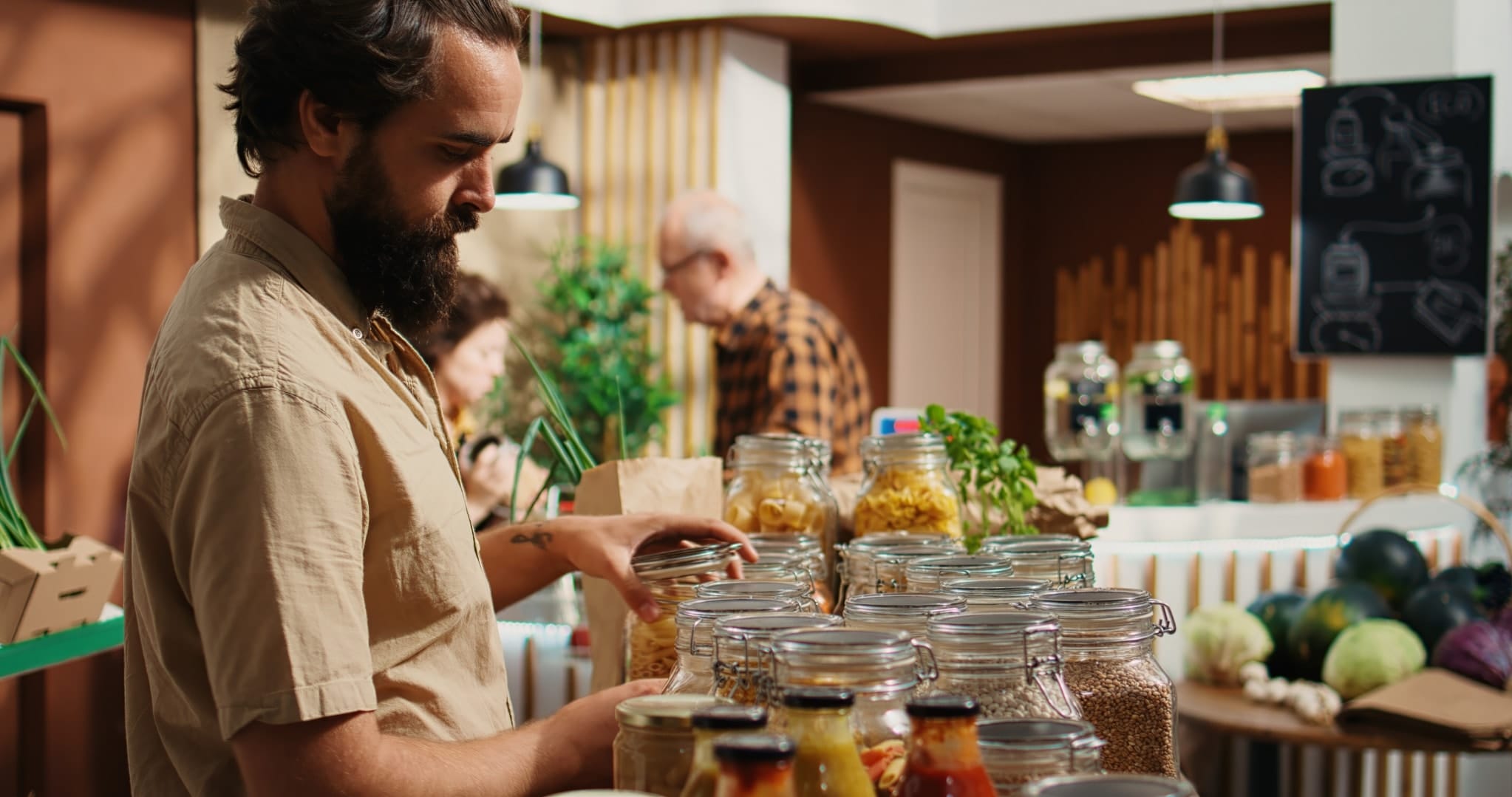
Benefit from solutions adapted to your volumes and requirements
 Sliding scale prices based on quantities
- Simple and quick quote request
- Customization possibility
- Optimized delivery for bulk orders