Favourites




WJ000397
- -50%
Choosing a glass jar depends on its intended use, but also on its shape, practicality and presentation. Classic jars for jams, straight jars for sauces, conical jars for refined desserts, faceted jars for an artisanal touch, yogurt jars or verrines for individual portions: this guide helps you select the model best suited to your culinary preparations.
There are many different models of glass jars, with geometric and ergonomic features suited to different uses. To choose the right model, you need to consider ease of preparation, the required preservation time and the presentation that will best showcase your culinary preparations.
At Conservor, we offer a wide variety of glass jar models. We guide you to help you make the right choice.
Choosing a specific glass jar model is not just a matter of aesthetic preference. It is a decision that affects every stage of your culinary preparations, from filling the jar to final tasting.
The ergonomics of a jar strongly influence the preparation stage. A wide-mouth jar is easier to fill, reducing spills and mess around the rim.
The internal shape of the jar also determines how easily you can mix ingredients directly inside the container or access your preparation. An unsuitable model will make preparation or consumption more complicated.
We eat with our eyes first. If you are preparing desserts in jars for a reception, you will want to take care of their presentation. By choosing elegant jar models, you give your culinary preparations a more polished look, making them even more appetising.
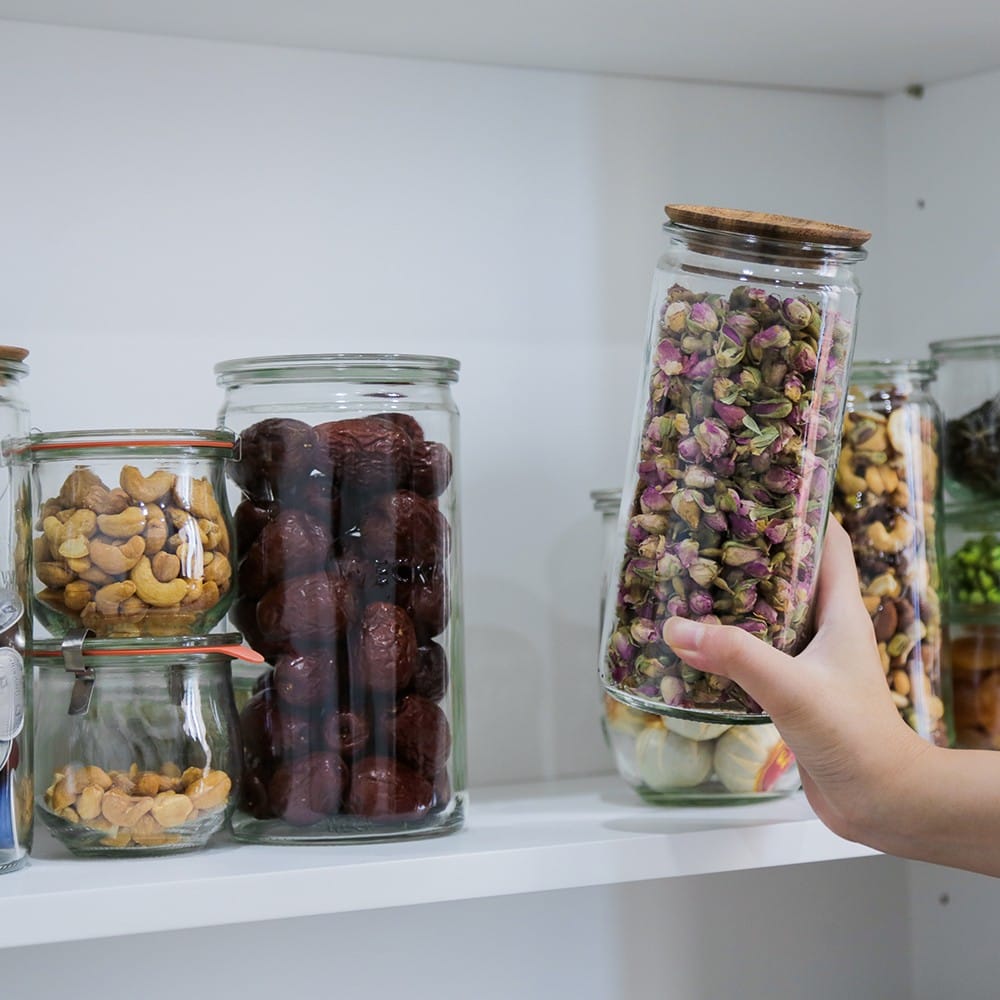
The shape of the jar directly affects how you can store individual preparations in your refrigerator or cupboard. Some models are designed to be stackable, but not all of them are. Choose glass jar models that are taller than they are wide to optimise storage space.
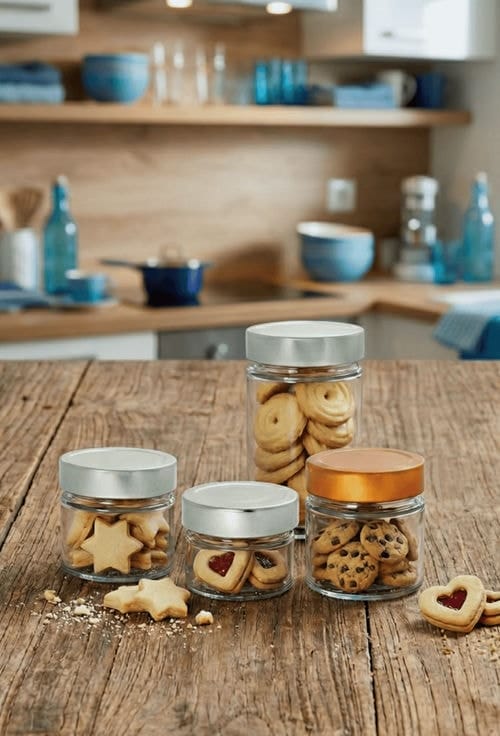
The classic glass jar is traditionally used for food preservation in small individual portions. It is a widely recognised model found everywhere.
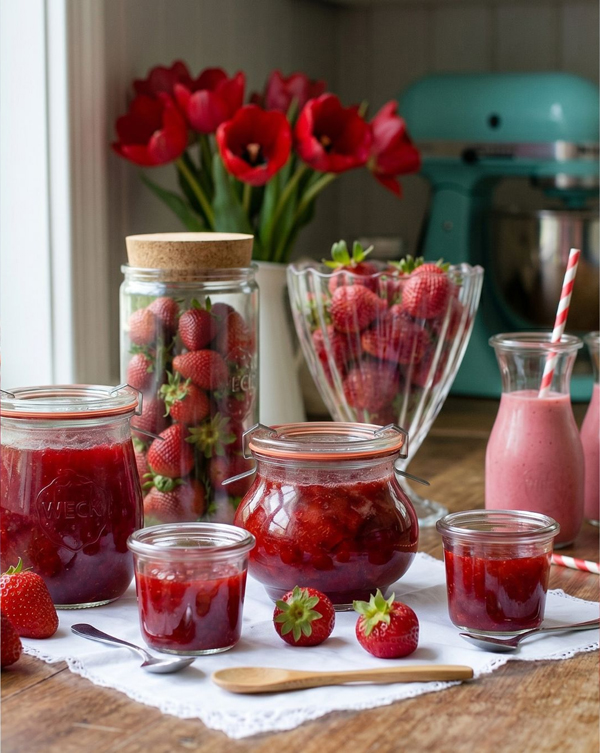
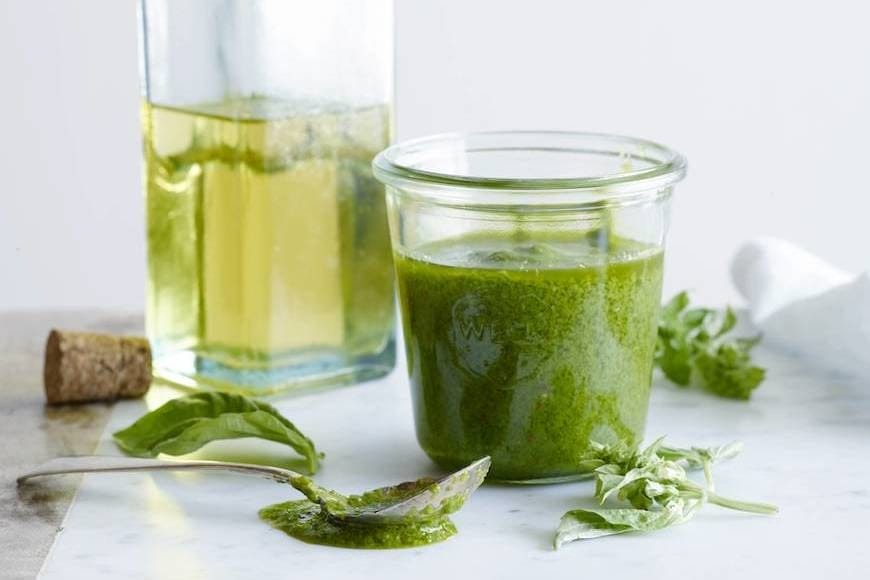
Classic glass jars are perfect for storing homemade jams, fruit jellies or traditional sauces such as bolognese and pesto.
This jar model is highly versatile. Its slightly rounded shape is ergonomic to hold, and its standard screw thread allows the use of a wide variety of caps.
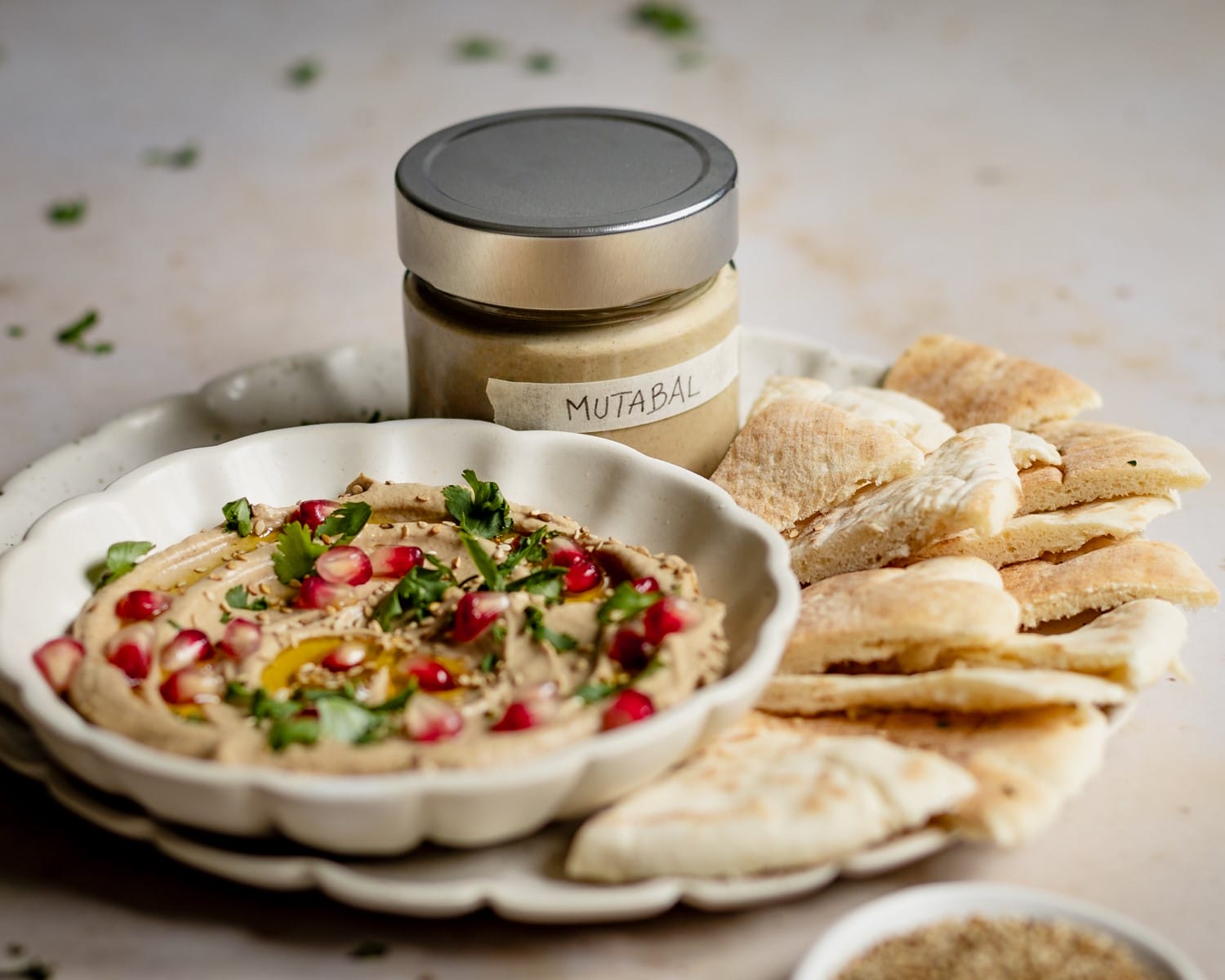
The straight glass jar is characterised by its vertical sides, with no narrowing at the neck. It is a practical model widely used for condiments, thick sauces, pâtés or spreadable preparations such as hummus and tapenades.
The shape of straight glass jars makes them very easy to fill and clean. With no shoulder, every corner of the jar can be reached with a spoon or sponge.
For professionals, it is also the easiest model to label cleanly.
Inspired by the verrines used by top chefs, conical glass jars have a silhouette that widens towards the top, giving your preparations a particularly elegant and refined presentation.
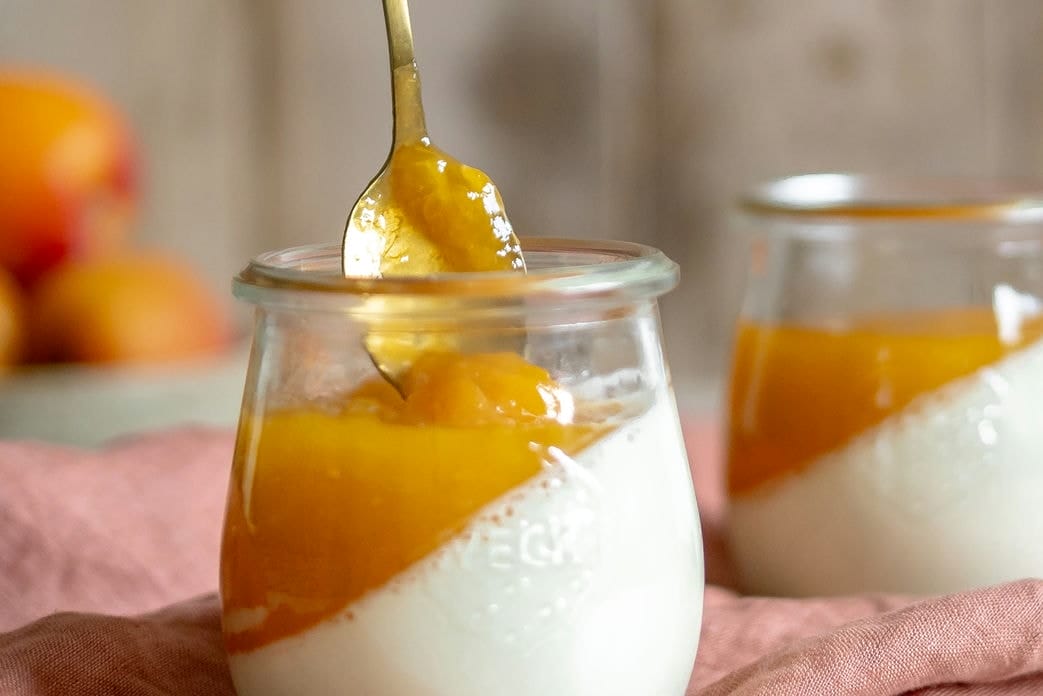
These jars are perfect for refined desserts, table sauces or gourmet preparations that need to be unmoulded, such as flans or panna cottas. The conical shape makes it easier to unmould solid preparations.
The faceted glass jar is appreciated for its traditional look, reminiscent of famous grandmother-style recipes served in similar jars.
It is a very popular model for homemade jams, but also for old-fashioned fruit preserves and fine grocery products.
Its aesthetic immediately evokes tradition and artisanal know-how. The facets also provide an excellent grip, even when the jar is wet or greasy.
The glass yogurt jar is an essential model if you own a yogurt maker. You can prepare your own plain or fruit yogurts, as well as dessert creams in a suitable format.
The format of glass yogurt jars, often 125 ml or 150 ml, is designed for single-serving consumption. Their low, wide shape makes it easy to eat directly with a spoon.
The glass verrine is the ideal jar model for festive receptions and dinner parties. It is a format focused more on presentation than capacity.
To help you choose the glass jar model best suited to your needs, here is a table showing the recommended model according to the intended use:
| Target use | Recommended model | Main benefit |
|---|---|---|
| Traditional jams | Classic or faceted jar | Authentic design and ergonomic grip |
| Sauces and condiments | Straight jar | Easy to empty and clean |
| Layered / gourmet desserts | Conical jar | Refined presentation and practical unmoulding |
| Yogurts and creams | Yogurt jar | Standardised individual format |
| Appetisers and cocktails | Verrine | Elegant and festive presentation |
For desserts, verrines or conical jars are the most suitable. They showcase the different layers of the preparation, for example in a tiramisu, and provide an elegant presentation directly on the table.
It is recommended to use specific 125 ml to 150 ml yogurt jars. They are designed to fit most yogurt makers on the market and offer perfect ergonomics for spoon tasting.
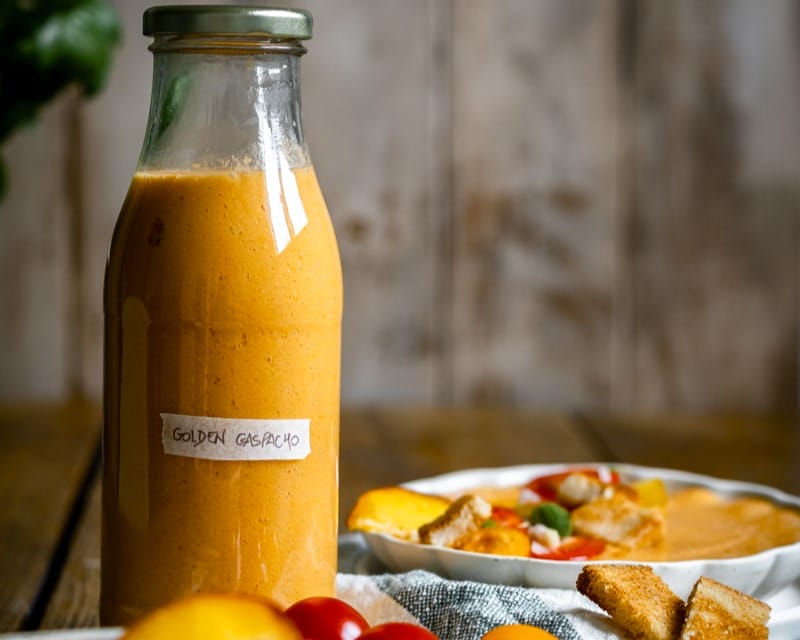
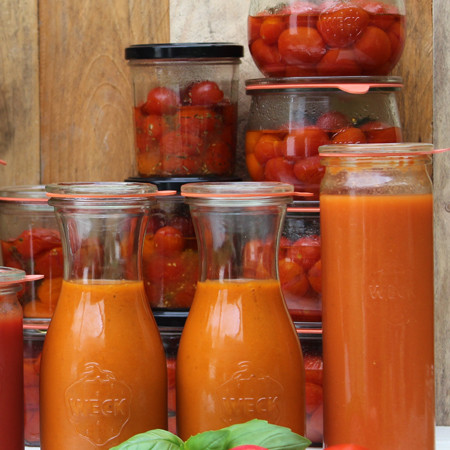
Straight jars are the most practical for sauces and condiments. With no shoulder, all the sauce can be recovered using a spoon or spatula, helping to avoid waste.
Yes, glass is an inert, healthy and recyclable material. It is ideal for preserving food without transferring taste or odour, whether in the refrigerator, cupboard or through sterilisation.
The terms “pot” and “jar” are often used as synonyms and refer to the same type of glass container. In everyday use, “pot” is often used for small formats such as yogurts and jams, while “jar” refers to larger volumes for long-term preservation, such as vegetables or cooked dishes. Technically, however, glass resistance and closure principles are the same.
Verrines are mainly intended for presentation and immediate tasting. However, if they are fitted with a compatible closure system, they can be used to store small portions in the fridge or be pasteurised.
Classic or faceted models are the most popular. They evoke artisanal jams, and their wide neck makes it easy to fill the jar with a ladle.
Although glass is a healthy and durable material, it is important to note that no glass manufacturer guarantees jar reuse for a new heat-treatment cycle, such as sterilisation or pasteurisation.
In a professional setting, or for maximum home safety, using new containers is recommended to avoid any risk of breakage or sealing defects.
If you reuse jars for dry storage, clean them carefully, but keep in mind that the twist-off cap or seal must always be replaced with new accessories for each new use.
First assess your use, such as dessert, storage or gift, then the capacity needed for one portion, and finally the practicality of the model, including cleaning and stacking.
Conical jars or thin-walled verrines are the most suitable models for adding a gourmet dimension to your culinary preparations.
 Wide range of products
.png) Serving professionals since 1979
Serving professionals since 1979
.png) 4 locations in France
4 locations in France
.png) Customer Service 9am-12am / 2pm-4pm
Customer Service 9am-12am / 2pm-4pm
.png) Services dedicated to professionals
Services dedicated to professionals

Benefit from solutions adapted to your volumes and requirements
 Sliding scale prices based on quantitiesSimple and quick quote requestCustomization possibilityOptimized delivery for bulk orders