Favourites




Lids, caps, stoppers
Choosing the right closure is essential to ensure airtightness, food safety and proper preservation of your preparations. Pasteurisation-safe twist-off caps for jams, sterilisation-safe caps for vegetables or cooked dishes, bottle stoppers, airtight lids for bulk food: this guide helps you select the right closure system according to your container and intended use.
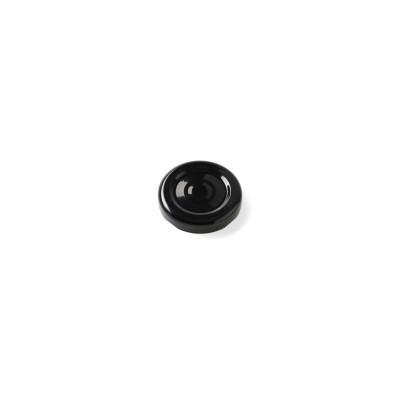
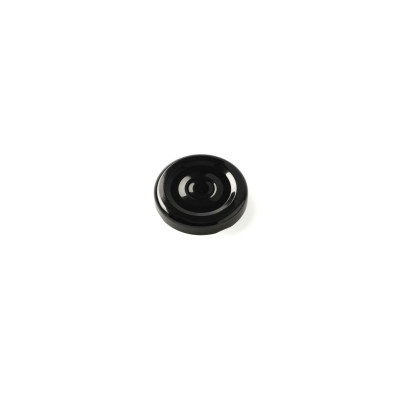
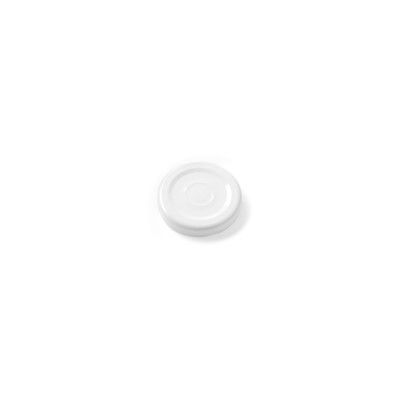
- Out-of-Stock
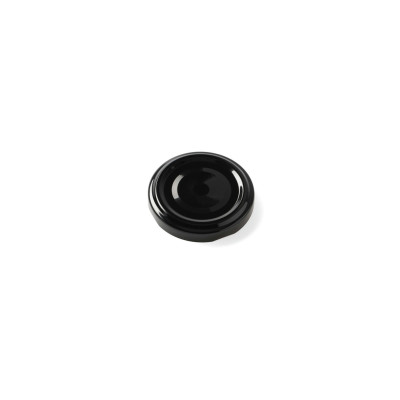
- Out-of-Stock

- Out-of-Stock
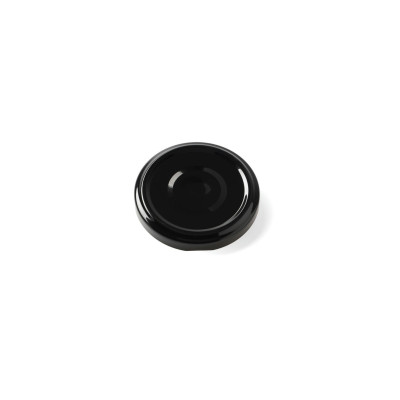
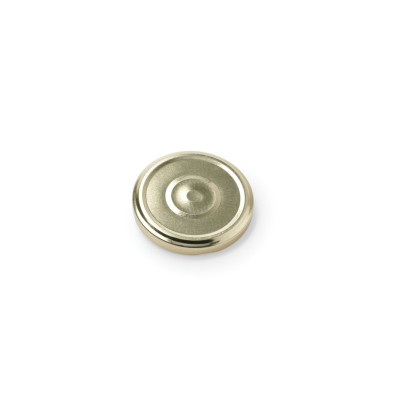
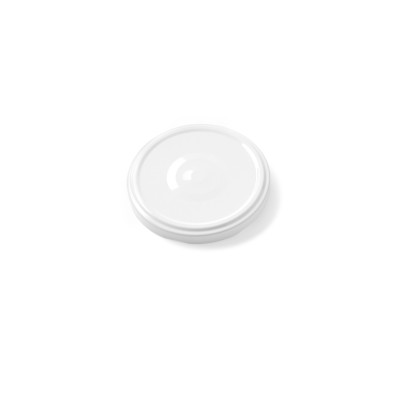
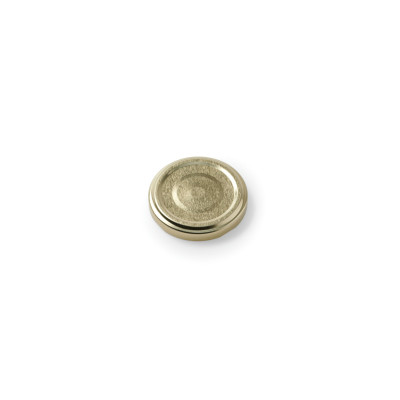
- Out-of-Stock
- Out-of-Stock
- Out-of-Stock
- Out-of-Stock
- Out-of-Stock
Lids, caps and stoppers: how to choose the right closure?
Glass jars and bottles are effective preservation solutions, provided they are combined with a reliable closure system.
At Conservor, expertise in airtightness is part of our industrial DNA. As a subsidiary of the Massilly Group, the French leader in metal packaging founded in 1911, we benefit from unique manufacturer expertise on the market. This background positions us as a specialist in Twist caps, a critical technological component whose design, materials and performance we fully master.
The importance of a suitable closure is often underestimated, even though it directly guarantees food safety, particularly to prevent serious risks such as botulism, and preserves the organoleptic qualities of your preparations.
Whatever type of homemade preserve you plan to prepare, you must pay close attention to the choice of lids, caps and stoppers for your glass jars and bottles. Discover the Conservor range and follow our advice to choose the ideal closure for your glass containers.
Why is the closure system for jars and bottles essential?
A closure is not just a lid placed on a jar. It is a system that must meet precise physicochemical constraints.
Ensuring airtightness
The first role of a closure is to create an impenetrable barrier between the food and the outside environment. A good closure provides complete protection by preventing air, moisture and microorganisms from entering the container.
This airtightness prevents oxidation and therefore ensures long-term food preservation. If your jars are not properly sealed with a suitable closure system, your preparations will quickly become unfit for consumption.
Matching the closure to the use
Not all closure systems are equal. Depending on your needs, you must choose the appropriate closure:
For sterilisation, you need a closure with seals capable of withstanding temperatures above 100°C, as well as pressure variations.
For pasteurisation, you should choose a lid or stopper resistant enough to withstand temperatures between 80 and 90°C, for acidic or sweet preparations.
For storing dry bulk foods, there are no thermal constraints: the only criterion is airtightness.
Ensuring compatibility with the container
It is important to choose the right size, but also the right type of closure, which must match the thread or rim of the jar. For example, a Twist cap will not fit a jar that requires a clip-on lid.
Twist-off caps
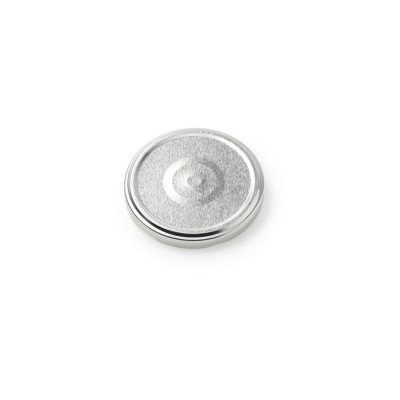
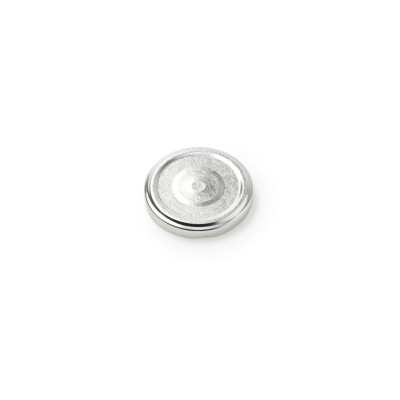
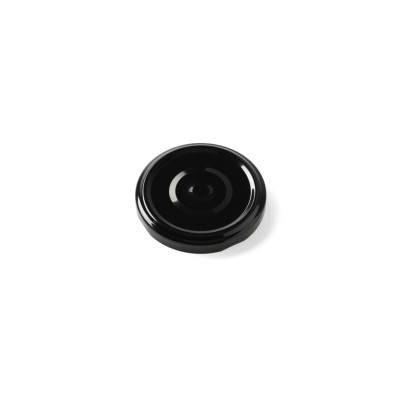
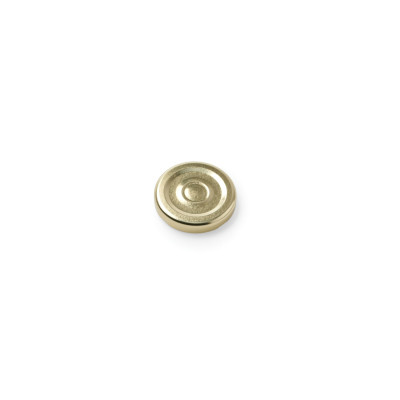
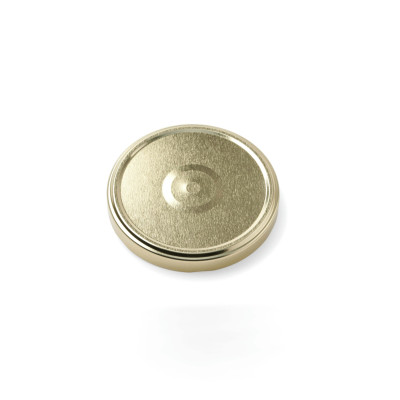
Twist-off caps are widely used for food jars. They are the most common closure system in the food industry, as well as among private users preparing homemade preserves. Their name comes from the twisting motion required to open or lock this type of cap.
The twist-off cap is the standard closure for jam jars, tomato sauces, spreadable preparations in general and vegetable pickles.
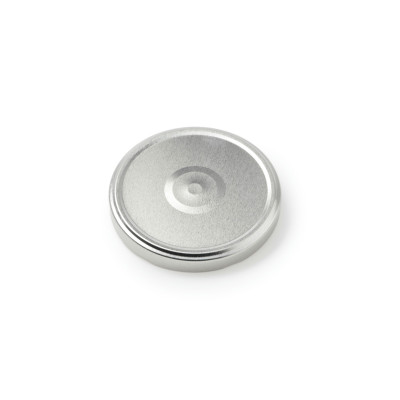
Beyond its simple and quick closure, the twist-off cap with a flip button allows strict food safety control by offering clear visibility of successful vacuum creation: the centre of the cap becomes concave.
This mechanical indicator in the centre of the cap becomes concave when a vacuum is created after heat treatment. If the flip remains raised or makes a click when pressed, this indicates a sealing defect or air intake, meaning the product presents a bacteriological risk and should not be consumed.
Sterilisation-safe twist-off caps
If you plan to prepare and preserve cooked dishes or plain vegetables in jars, you must use sterilisation-safe twist-off caps.
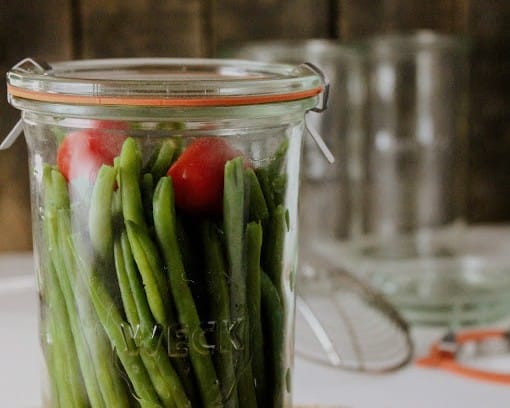
These caps are perfect for long-term homemade preserves, including vegetables such as beans and carrots, pâtés, terrines and cooked dishes.
They consist of a metal body, usually tinplate, and an internal seal that softens during heating to fit the glass rim, creating the vacuum required for jar sterilisation during cooling.
Pasteurisation-safe twist-off caps
If your preparations are naturally sweet or acidic, you will not need to sterilise the jars to preserve them, since sugar and acids act as natural preservatives. However, you will need to carry out pasteurisation. This technique requires the use of pasteurisation-safe twist-off caps to close the jar properly.
These caps are perfect for jams, marmalades, fruit juices, syrups and acidic sauces. They are designed to withstand heat treatments not exceeding 90°C. The seal is formulated to become airtight at more moderate temperatures than sterilisation-safe twist-off caps.
Lids for food jars
These are lids and twist-off caps, but with specific features.
Jam jar lids are often themed and colourful. They add the finishing touch to gourmet gifts. You can also decorate the jar lid with an elegant fabric to improve presentation, especially if it is intended as a gift. Choose your lids according to your classic jam jars.
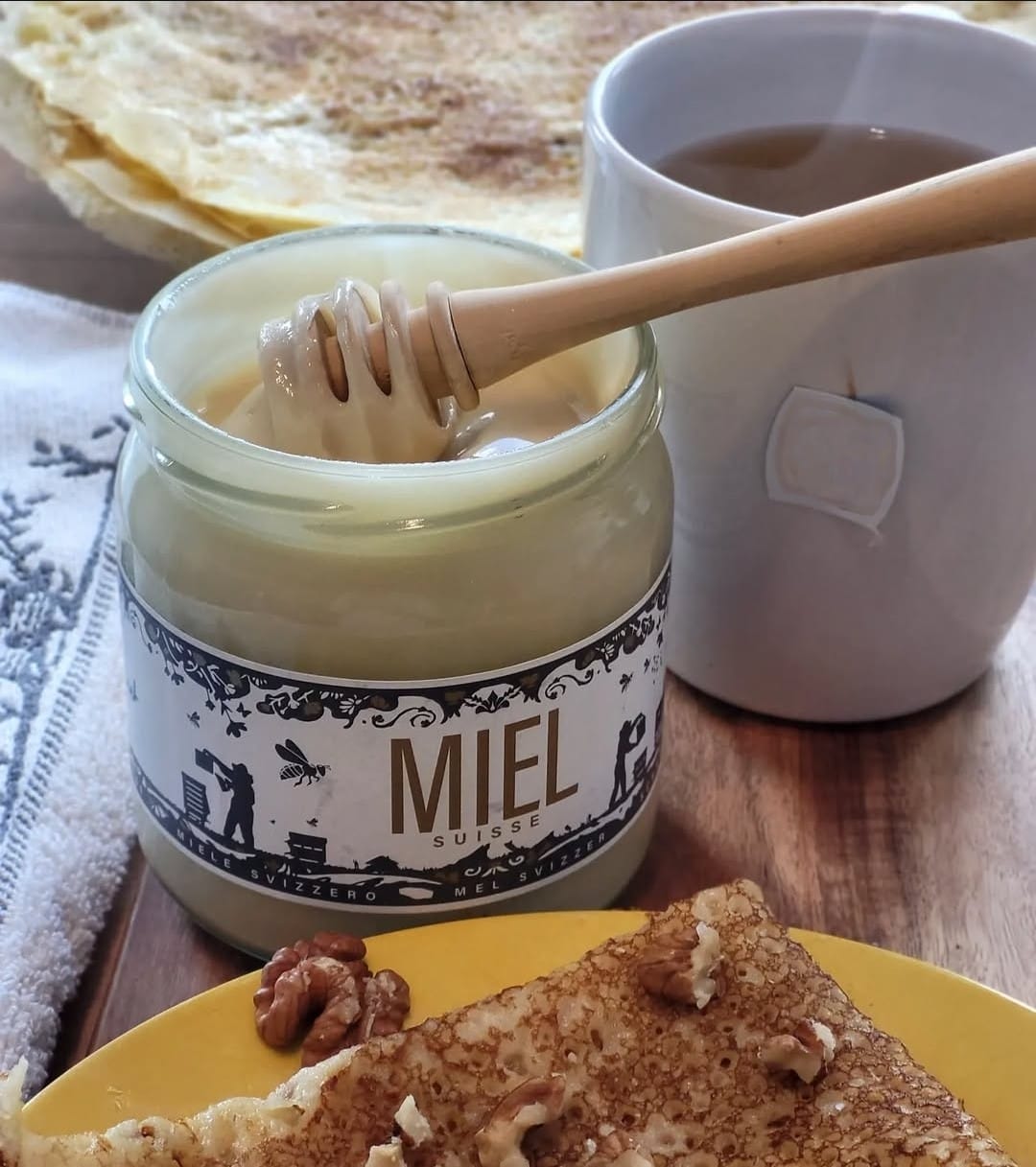
For honey preservation, caps with themed designs are often used, such as bees, honeycombs or hives. These twist-off caps provide airtight closure while remaining easy for the final consumer to use.
Personalise your preparations with our jam jar lids or honey jar caps.
Stoppers for glass bottles
Preserving liquids involves different constraints, particularly in terms of pressure and pouring. These constraints require a suitable closure.
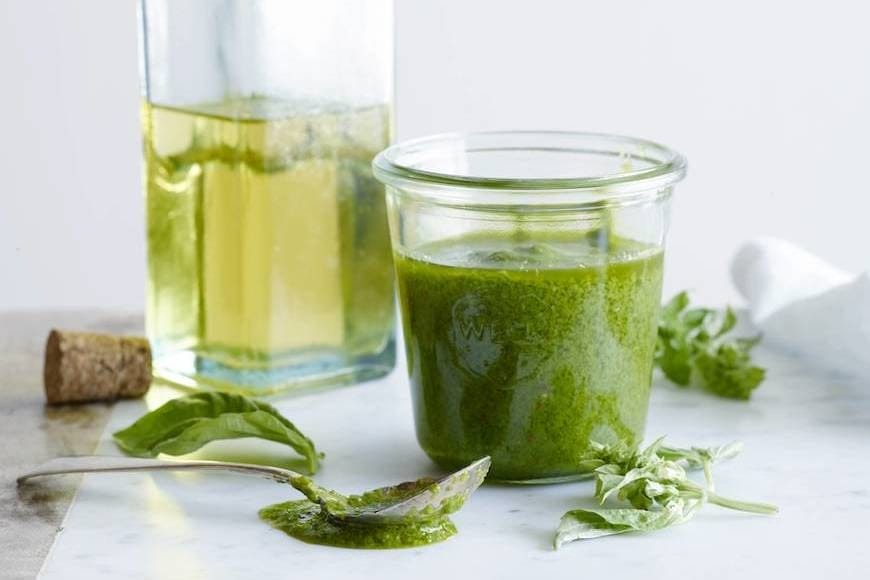
Among glass bottle stoppers, we distinguish mechanical stoppers with rubber seals, cork stoppers, screw caps for oil and vinegar, and crown caps for sparkling drinks.
Twist caps are specifically intended for freshness bottles. This system is the only approved one capable of withstanding heat treatment, such as sterilisation or pasteurisation, while guaranteeing a perfect vacuum. Using another type of closure on this type of bottle could compromise the food safety of your preparations.
Preserve your liquid preparations with our closures for glass bottles.
How to choose the right closure for your glass jars or bottles?
To help you choose a suitable closure for your glass jars or bottles, here is a summary table showing the recommended closure type according to the container’s use:
| Use | Recommended closure type | Key feature |
|---|---|---|
| Jam | Pasteurisation-safe twist-off cap | Airtight at 85°C |
| Preserves, vegetables, meat | Sterilisation-safe cap | Resistance above 100°C |
| Honey | Specific honey cap | Moisture barrier |
| Drink / oil | Bottle stopper | Suitable for narrow necks |
| Bulk / dry food | Airtight lid | Easy to open |
FAQ
Which cap should I choose for a jam jar?
Twist-off caps are often used for jam jars because they provide airtight closure.
Can a twist-off cap be reused?
No, a twist-off cap should never be reused. To guarantee perfect airtightness and prevent any serious health risk, it is essential to use a new cap for each new preservation cycle.
During the first heat treatment, the internal seal softens to precisely fit the jar rim before hardening during cooling. Once this imprint has been formed, the cap loses its ability to guarantee a reliable vacuum during a second use. The safety of your preserves depends on the integrity of this single-use closure system.
How do I choose the right cap size?
The size must match the diameter of the pot or jar.
Which closure should I choose for a honey jar?
Caps suitable for honey jars are often used for this type of product.
Which stopper should I choose for a glass bottle?
Stoppers must be compatible with the type of bottle used. The choice therefore depends on the bottle neck: screw cap for oils, mechanical stopper with rubber seal for craft drinks and cork stopper for wines and liqueurs.
For freshness bottles, you must use a twist cap. This system makes pasteurisation or sterilisation possible while guaranteeing a perfect vacuum, unlike traditional stoppers.
Are caps compatible with all jars?
No, it is important to check both diameter and compatibility.
Can the same caps be used for several purposes?
No, the choice of cap depends strictly on the heat treatment applied, which itself is determined by the nature of the product. For sterilisation, at temperatures above 100°C, sterilisation-safe twist-off caps must be used, as they have a specific seal resistant to high pressure.
For pasteurisation, at temperatures below 100°C, pasteurisation-safe twist-off caps are sufficient. Using an unsuitable cap, such as a pasteurisation-safe cap for sterilisation, creates a risk of loss of airtightness, making the preserve dangerous to health.
Why is my jar not closing properly?
This may be due to an incompatible or damaged cap.
For twist-off caps: an unsuitable cap diameter, a cap that has already been used and whose seal is marked, or damage to the jar thread.
For WECK and Le Parfait systems: incorrect seal positioning, a distorted metal frame or clips that have lost mechanical tension. Before each cycle, carefully check the condition of the jar rim. Any defect in the glass compromises airtightness.
How can I ensure a jar closes properly?
It is important to use a suitable closure in good condition.
-
 Wide range of products
-
.png) Serving professionals since 1979
Serving professionals since 1979
-
.png) 4 locations in France
4 locations in France
-
.png) Customer Service 9am-12am / 2pm-4pm
Customer Service 9am-12am / 2pm-4pm
-
.png) Services dedicated to professionals
Services dedicated to professionals

You are a professional ?
Benefit from solutions adapted to your volumes and requirements
 Sliding scale prices based on quantities
- Simple and quick quote request
- Customization possibility
- Optimized delivery for bulk orders